Overview of Sushi Menu PDFs
Discover the sushimi menu pdf from www.sushimikapiti.co.nz, featuring classic rolls, sashimi, and ramen. The online menu lists items like katsu chicken ramen, vegetarian ramen, and Masami sushi. Order online or visit 3 Mahara Place, Waikanae for a full experience. Enjoy a taste of tradition.!!
Benefits of Using a PDF Format
PDFs preserve layout, ensuring sushimi menu pdf looks identical on all devices. They support high‑resolution images, making rolls and sashimi vivid. PDFs are easy to share, print, and secure with passwords, protecting menu data from unauthorized edits.Can download instantly ensuring consistency
PDFs are the preferred medium for distributing the sushimi menu pdf because they preserve the menu’s visual integrity across all devices. Customers see the same typography, color palette, and image placement whether on a phone, tablet, or desktop, keeping the delicate presentation of sashimi, rolls, and ramen intact. The sushimi menu pdf can be downloaded from www.sushimikapiti.co.nz, letting patrons save or share it offline. File size is optimized for quick loading while retaining high‑resolution images of signature katsu chicken ramen, vegetarian ramen, and Masami sushi. The pdf format supports hyperlinks to an online ordering page, reservation system, or a map of the restaurant at 3 Mahara Place, Waikanae. Security options like password protection or digital signatures prevent unauthorized edits; For the restaurant, the pdf reduces printing costs, cuts waste, and allows instant updates when new items appear, such as a seasonal sashimi or limited‑time roll. The pdf can also be embedded in digital signage or the website’s menu section, delivering a professional look that reinforces brand identity; The PDF’s nature ensures it can be emailed to customers, printed on demand, or displayed on a kiosk. It also supports accessibility features like alt text for images, making the menu usable for all patrons.for all customers.?!
Common Content Elements in a Sushi Menu
The sushimi menu pdf showcases essential sections: header, a list of appetizers, sashimi options, and roll varieties, each paired with price, description, and image. A footer links to online ordering, contact details, and a QR code fast for access.
Appetizers and Rice Options
In the sushimi menu pdf, the appetizer section opens with classic Japanese starters that pair perfectly with the restaurant’s signature rice dishes. The menu lists a variety of ramen and udon bowls, each served in a fragrant miso broth and topped with options such as katsu chicken, tempura vegetables, or a vegetarian mix. The miso ramen is highlighted for its rich umami flavor, while the tonkotsu‑broth ramen offers a hearty, pork‑based alternative. Each bowl is presented with a clear price and a brief description, ensuring diners can quickly decide. The rice options include traditional sushi rice, seasoned with vinegar, sugar, and salt, as well as a special “Masami” rice blend that enhances the texture of sashimi and rolls. The pdf format allows for high‑resolution images of the bowls, showcasing steam and garnish details, and includes QR codes that link to online ordering. This section is designed to entice guests with visual appeal and concise, appetizing information, making the sushimi menu pdf an effective tool for both in‑restaurant and digital use.
Customers appreciate the clarity of the pdf, which displays each bowl’s ingredients, portion size, and price in a clean layout. The menu’s design also highlights seasonal specials, ensuring diners can spot fresh offerings at a glance. Additionally, the pdf includes a FAQ section that explains dietary concerns, such as gluten‑free options and allergy warnings, making it a practical resource for guests.
.
Sashimi Selections
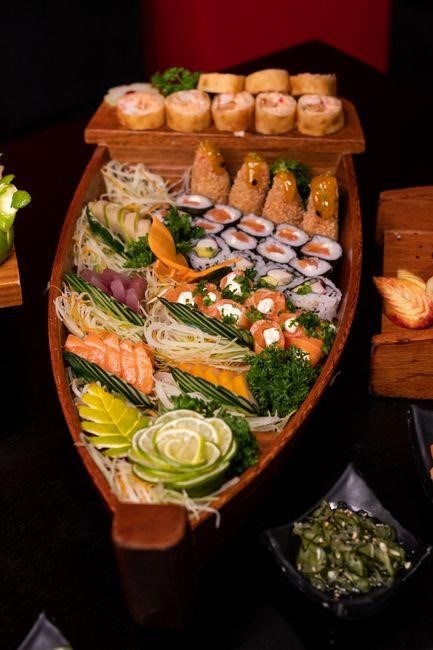
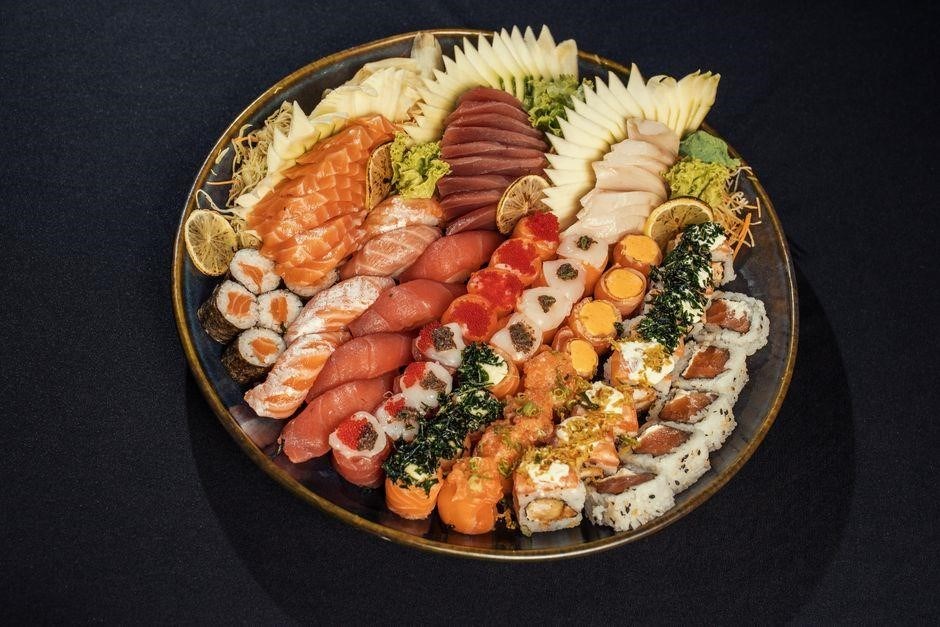
The sashimi selections in the sushimi menu pdf showcase a curated array of fresh, premium fish, each presented with precision and artistry. Highlighted items include the classic Albacore Tuna, priced at $16.00 per serving, and the signature Masami sashimi, a delicate blend of sea‑salted flavors that pairs beautifully with the restaurant’s signature rice. Each sashimi plate is accompanied by a brief description of the fish’s origin, texture, and recommended dipping sauces, ensuring diners can appreciate the subtle nuances of each cut. The pdf layout emphasizes high‑resolution images of the sashimi, capturing the vibrant colors and pristine cuts that define the culinary experience. Additionally, the menu offers customizable options, allowing guests to adjust portion sizes or add premium toppings such as truffle oil or wasabi‑infused soy. The sashimi section also includes a “Chef’s Special” selection, featuring seasonal catches that change monthly, and a “Kids’ Sashimi” option with smaller portions for younger diners. The design incorporates subtle background graphics that evoke the calm of a Japanese garden, reinforcing the menu’s focus on freshness and tranquility. By providing clear pricing, ingredient lists, and visual cues, the sushimi menu pdf ensures that every sashimi lover can make an informed choice, enhancing both the dining experience and the restaurant’s reputation for quality and authenticity. The pdf also includes a dedicated allergy information panel, listing common allergens such as shellfish, soy, and sesame, and offers a gluten‑free sashimi option for health‑conscious guests. The menu’s interactive features, such as QR codes linking to detailed fish sourcing stories, add transparency and build trust with patrons seeking sustainable seafood. Overall, the sashimi section of the sushimi menu pdf delivers a comprehensive, visually appealing, and user‑friendly guide that elevates the dining experience and showcases the restaurant’s commitment to excellence. (2026) Enjoy!
Sushi Roll Variety
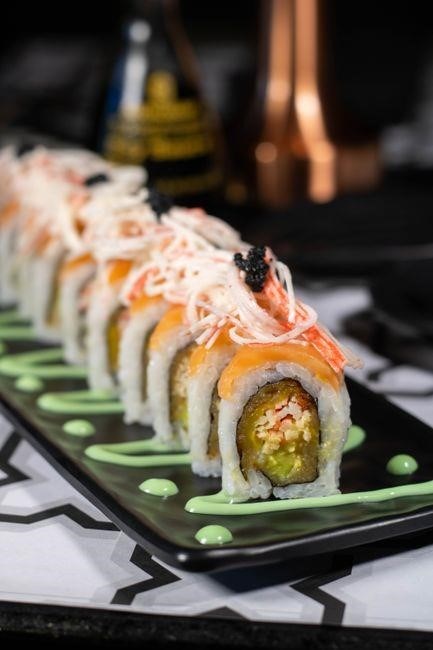
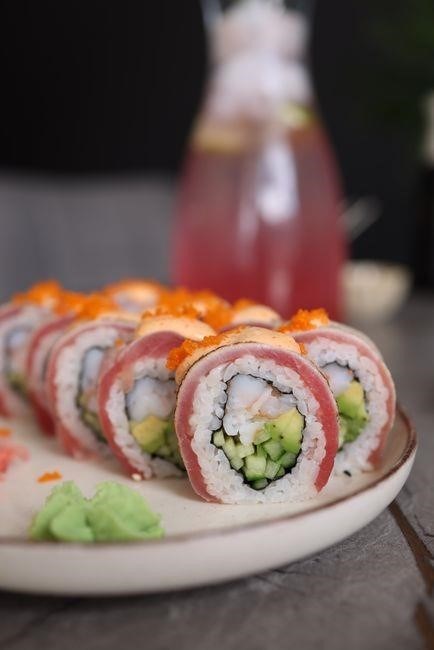
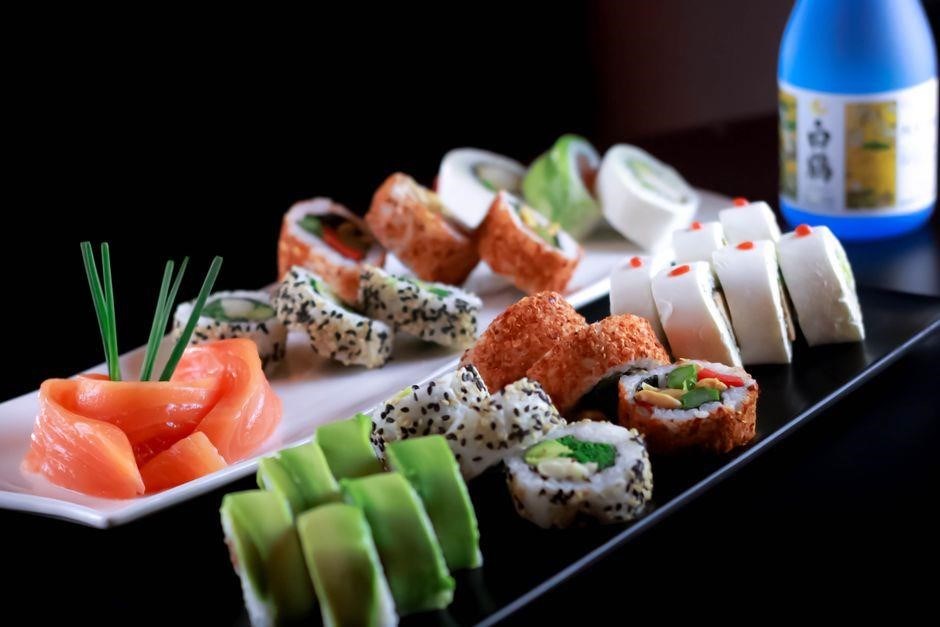
Explore the diverse sushi roll selection featured in the sushimi menu pdf, where each roll is crafted with precision and fresh ingredients. The menu highlights classic rolls such as the Spicy Tuna, a vibrant blend of diced tuna, chili paste, and a hint of lime, wrapped in seasoned rice and nori. A popular choice is the Dragon Roll, showcasing eel, cucumber, and avocado, topped with thin slices of sweet eel sauce that create a caramelized finish. For those craving a lighter option, the Cucumber Avocado Roll offers a refreshing combination of crisp cucumber, creamy avocado, and a subtle sesame seed garnish, all wrapped in a delicate rice sheet. The menu also presents the Signature Masami Roll, a premium offering that features sashimi‑grade fish—tuna, salmon, and yellowtail—paired with truffle oil and tobiko for an extra burst of flavor. Each roll is accompanied by a brief description of its flavor profile, texture, and recommended dipping sauces, ensuring diners can choose based on preference. The sushimi menu pdf emphasizes high‑resolution images that capture the vibrant colors and meticulous presentation of each roll, while the layout incorporates a clean, minimalist design that highlights the freshness of the ingredients. For dietary considerations, a gluten‑free roll option is available, using tamari instead of soy sauce and rice vinegar made from organic rice. By combining visual appeal, detailed descriptions, and customizable options, the sushi roll variety section of the sushimi menu pdf delivers a comprehensive guide that elevates the overall culinary journey. Enjoy seamless dining with every bite today.
Designing the Layout of the Menu
Adopt a clean, minimalist layout that showcases high‑resolution images of each roll, balanced with ample white space. Use a sans‑serif font for readability, a muted color palette, and subtle borders. Ensure the PDF scales well on mobile devices. Add subtle icons to indicate vegan or spicy options
Choosing a Font and Color Scheme
When crafting a sushimi menu pdf, font choice sets the tone. A clean, modern sans‑serif such as Helvetica, Futura, or Proxima Nova conveys freshness and readability. Pair it with a subtle serif for headings to add a touch of elegance. For body text, keep the size between 10–12 points to maintain legibility on both print and digital screens.
Color selection should echo the sushi experience. A palette of muted greens, soft grays, and warm terracotta accents reflects natural ingredients while keeping the layout uncluttered. Use a deep navy or charcoal for headings to provide contrast against a light background. Accent colors like sea‑foam green or coral can highlight special items or seasonal specials.
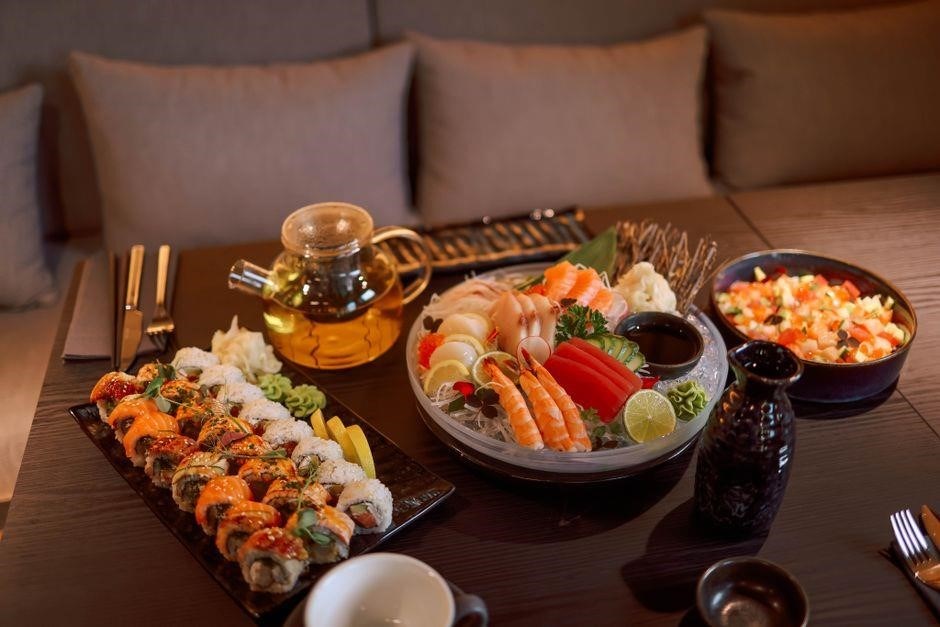
Consistency is key. Apply the same font family across all sections, using variations in weight (regular, bold, light) to create hierarchy. Ensure color contrast meets accessibility standards; a minimum contrast ratio of 4.5:1 is recommended for body text. Test the PDF on different devices to confirm that colors remain true and text remains crisp.
Finally, consider the printing process. If the menu will be printed, choose colors that translate well onto paper, avoiding overly saturated hues that may bleed or fade. For digital distribution, incorporate web‑safe colors to preserve fidelity across browsers and devices.
By aligning font choices, the sushimi menu pdf becomes a narrative that invites guests to explore each delicacy!!
Incorporating Images and Icons
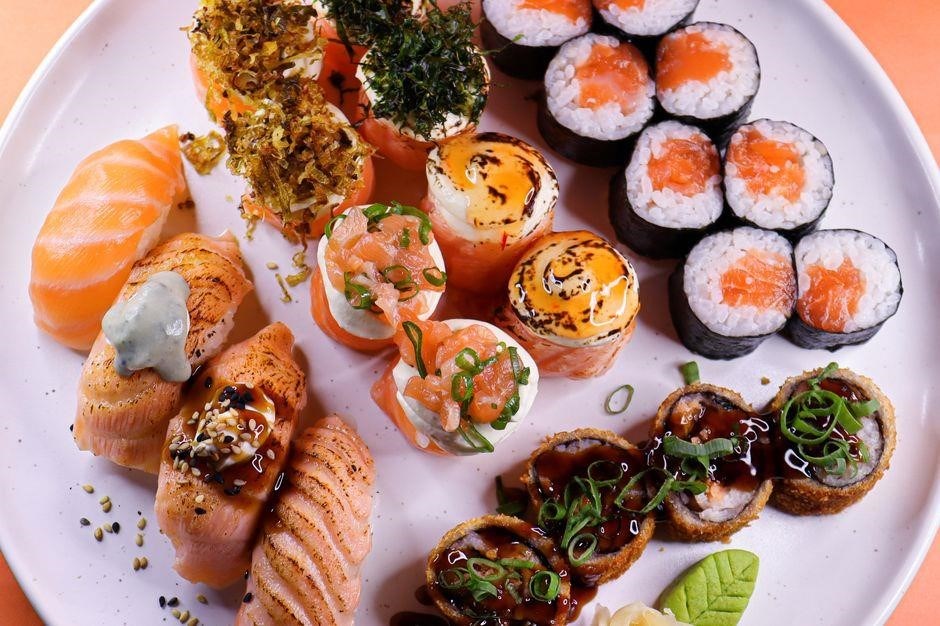
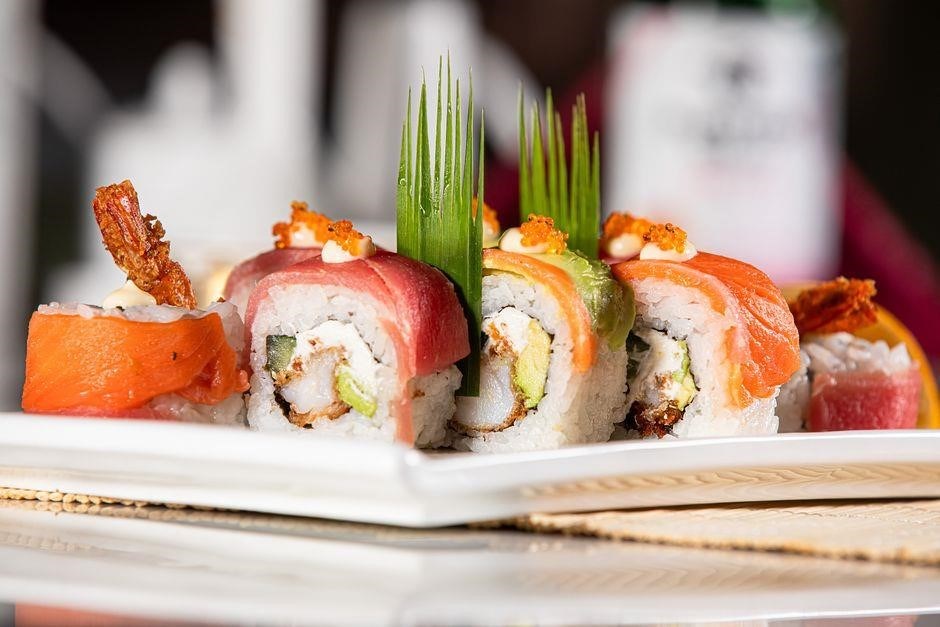
Images and icons transform a sushimi menu pdf from a simple list into an engaging visual journey. High‑resolution photos of nigiri, maki, and sashimi showcase texture and freshness, while stylized icons—such as chopsticks, sushi rolls, or a steaming bowl—quickly signal categories. For a cohesive look, use a consistent image style: either flat illustration or realistic photography, and keep a uniform color tone or filter. When selecting photos, prioritize clarity: avoid blurry or over‑exposed shots. Crop each image to a square or rectangle that fits the layout grid, and use a subtle drop shadow or border to separate the image from the background. Icons should be vector‑based (SVG or EPS) so they scale without pixelation; they can be color‑filled to match the menu’s palette or left monochrome for a minimalist feel. Placement matters: place images beside the item name or price, or use a full‑width banner for signature dishes. Icons can also denote special attributes—spicy, vegan, or chef’s choice—by placing a small symbol next to the dish. Ensure that all graphics are properly licensed; royalty‑free stock sites or in‑house photography are recommended. Finally, test the PDF on both print and digital formats: images should retain sharpness when printed, and icons should remain legible on small screens. By thoughtfully integrating images and icons, the sushimi menu pdf becomes a visual invitation that guides customers through the menu’s offerings, enhancing both usability and aesthetic appeal!!
Software Tools for Creating the PDF
Adobe Illustrator and InDesign deliver precise vector control, typography, and layout for sushimi menu PDFs. Free tools like Canva and Scribus offer intuitive design, templates, and easy PDF export, making professional menus accessible e.g!!! to all.
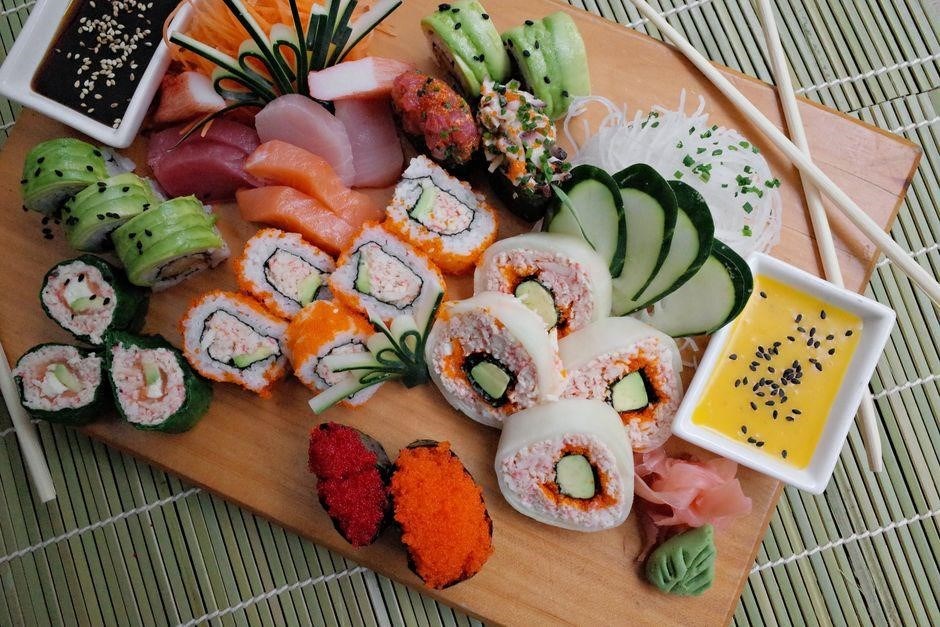
Adobe Illustrator and InDesign are industry‑standard tools for crafting high‑resolution sushimi menu PDFs. Illustrator’s vector engine lets designers create crisp, scalable icons for each dish—think the bright orange sashimi plates, the delicate green avocado rolls, or the bold red katsu chicken ramen bowl. InDesign’s master‑page system ensures consistent header placement, pricing columns, and footnotes across multiple pages, which is essential when the menu lists items like Masami sushi (2pc), vegetarian ramen, and miso‑broth ramen with tempura vegetables. By linking text frames to a shared style sheet, editors can update prices or descriptions in one place, and the changes propagate instantly throughout the document. Both programs support CMYK color profiles, guaranteeing that the vibrant reds of sashimi and the subtle earth tones of ramen translate accurately to print or digital PDF. When exporting, Illustrator offers PDF/X‑1a for print‑ready files, while InDesign’s “Export Adobe PDF (Print)” dialog provides options for compression, font embedding, and security settings. For restaurants that need to share the menu online, the PDF can be optimized for web by reducing image resolution to 72 dpi and enabling “Fast Web View.” The result is a lightweight, searchable PDF that preserves the menu’s visual hierarchy and brand identity, whether it’s displayed on a tablet in the dining room or emailed to customers before they order. Download PDF from site for quick reference. OK! now quickly!
Free Alternatives (Canva, Scribus)
Canva and Scribus provide accessible, cost‑free ways to design a professional sushimi menu PDF. Canva’s drag‑and‑drop interface lets you start from a pre‑made sushi template or build a custom layout. You can import high‑resolution images of Masami sushi, katsu chicken ramen, and vegetarian ramen, then layer text boxes for dish names and prices. The platform offers a library of icons—such as a stylized chopstick or a bowl of miso broth that can be positioned next to each item to reinforce visual cues. Once the design is complete, you can export the file as a PDF/X‑1a, ensuring that all fonts and images are embedded for print or digital use. Scribus, an open‑source desktop publishing tool, gives more granular control over typography and layout. With Scribus you can set up a multi‑column grid that mirrors the menu’s structure, place custom color swatches that match the restaurant’s branding, and embed vector graphics created in Illustrator or Inkscape. Scribus also supports PDF/A for archival purposes, which is useful if the menu needs to be stored long‑term. Both programs allow you to create a responsive PDF that can be viewed on tablets in the dining room or shared via email. By leveraging Canva’s intuitive design tools or Scribus’s robust publishing features, restaurants can produce a polished sushimi menu PDF without investing in expensive software. Download PDF for quick reference. OK! now quickly! Feel free to customize the layout, adjust spacing and preview the final PDF before sharing with patron!
Distribution and Accessibility of the Menu PDF
To maximize reach, the sushimi menu PDF should be hosted on the restaurant’s official site and linked from the homepage. A dedicated download link allows guests to view or print the menu on any device. Embedding the PDF in a responsive iframe ensures it scales on mobile phones, tablets, and desktops. For accessibility, the PDF must contain selectable text, proper heading structure, and alt text for images. Use PDF/UA compliance to support screen readers. Provide a link to page 1 and a link to page 2 so users can jump directly to the sushi or ramen sections. Offer a English version and a Chinese version to accommodate international guests. For social media, share a thumbnail image of the menu’s front cover with a caption that includes the link. Email newsletters can attach the PDF or embed a preview image with a call‑to‑action button. To ensure the PDF remains up‑to‑date, set up an automated workflow that regenerates the file whenever menu changes are made in the CMS. Finally, monitor download analytics through Google Analytics or Matomo to gauge engagement and adjust distribution channels accordingly. All PDFs load quickly and print directly from the browser. swiftly.