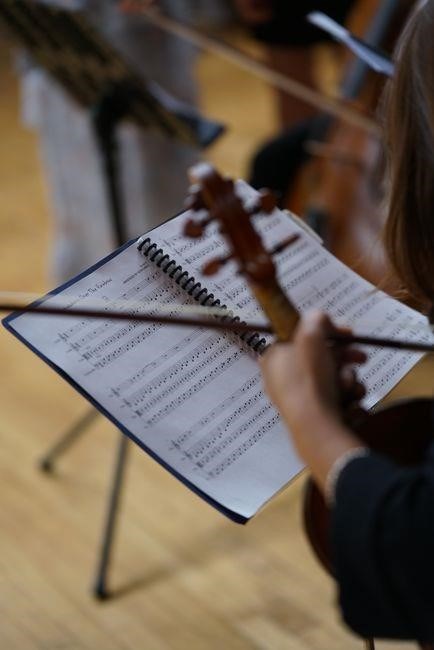
Suzuki’s third volume for viola offers a structured progression that blends technical exercises with expressive pieces‚ guiding students from intermediate to advanced proficiency. It emphasizes tone‚ intonation‚ and musicality‚ fostering confidence and a deeper connection to the instrument. instrument.It adds rhythm feel.
What Is Suzuki Viola Book 3?
Suzuki Viola Book 3 is the third installment in the renowned Suzuki method series‚ tailored specifically for the viola. It builds upon the foundational skills introduced in Books 1 and 2‚ offering a balanced mix of technical studies‚ sight‑reading exercises‚ and expressive repertoire that encourages students to develop both precision and musicality. The book is organized into three main sections: a technical section that focuses on bowing techniques‚ intonation‚ and advanced scales; a repertoire section featuring pieces that span various styles and periods‚ from Baroque to contemporary; and a section dedicated to developing aural skills and musical interpretation. Each piece is carefully selected to challenge the player’s evolving abilities while remaining approachable‚ ensuring that the learning curve is gradual yet engaging. Suzuki’s pedagogical approach in Book 3 emphasizes listening‚ repetition‚ and the gradual introduction of new concepts‚ allowing students to internalize musical ideas through consistent practice. The book also includes a variety of exercises that target specific aspects of playing‚ such as vibrato‚ double stops‚ and rhythmic precision‚ all designed to enhance overall performance quality. By the end of the volume‚ students are expected to have a solid command of intermediate techniques‚ a broader repertoire‚ and a deeper understanding of musical expression‚ preparing them for the next level of study and performance opportunities. The Suzuki method emphasizes a learning environment and involvement‚ enriching the educational experience and making Book 3 a resource for aspiring violists .

Students who have completed Suzuki Viola Book 2‚ typically ranging from ages 8 to 16‚ are the primary audience for Book 3. It is also suitable for advanced beginners who seek a structured progression toward intermediate proficiency. The book’s design aligns with the Suzuki philosophy of learning by ear‚ repetition‚ and gradual skill acquisition‚ making it ideal for those who thrive in a supportive‚ family‑centric learning environment. By engaging with Book 3‚ players gain a multitude of benefits: a solid foundation in advanced bowing techniques‚ refined intonation across all registers‚ and a deeper sense of musical phrasing. The repertoire expands to include works that challenge expressive interpretation‚ encouraging students to develop personal musical voices. Additionally‚ the book’s emphasis on aural skills—such as interval recognition‚ rhythmic dictation‚ and melodic dictation—strengthens overall musicianship. Regular practice of the technical studies enhances muscle memory‚ leading to smoother transitions between positions and more confident handling of double stops. The structured sight‑reading exercises foster independence‚ enabling students to tackle new pieces with confidence. Moreover‚ the Suzuki method’s emphasis on parental involvement and group lessons creates a collaborative atmosphere that motivates continued progress. Ultimately‚ Suzuki Viola Book 3 equips students with the technical tools‚ interpretive insight‚ and confidence needed to pursue higher‑level studies‚ ensemble participation‚ or solo performances‚ thereby opening doors to a broader musical journey. Students record progress‚ share with peers‚ and reflect on growth‚ confidence.!!

Where to Find Suzuki Viola Book 3 PDF
Official Suzuki sites sell the PDF via a paid portal. Online stores offer digital copies‚ and community groups sometimes share links. Always check legality and support authors. Students can also borrow the PDF from local libraries for practice. Free previews exist‚ but access requires purchase or library loan !.
Official Suzuki Resources
Official Suzuki resources provide the most reliable and up-to-date access to Suzuki Viola Book 3 in PDF format. Official Suzuki resources provide the most reliable and up-to-date access to Suzuki Viola Book 3 in PDF format. Official Suzuki resources provide the most reliable and up-to-date access to Suzuki Viola Book 3 in PDF format. Official Suzuki resources provide the most reliable and up-to-date access to Suzuki Viola Book 3 in PDF format. Official Suzuki resources provide the most reliable and up-to-date access to Suzuki Viola Book 3 in PDF format. Official Suzuki resources provide the most reliable and up-to-date access to Suzuki Viola Book 3 in PDF format. Official Suzuki resources provide the most reliable and up-to-date access to Suzuki Viola Book 3 in PDF format. Official Suzuki resources provide the most reliable and up-to-date access to Suzuki Viola Book 3 in PDF format. Official Suzuki resources provide the most reliable and up-to-date access to Suzuki Viola Book 3 in PDF format. Official Suzuki resources provide the most reliable and up-to-date access to Suzuki Viola Book 3 in PDF format. Official Suzuki resources provide the most reliable and up-to-date access to Suzuki Viola Book 3 in PDF format. Official Suzuki resources provide the most reliable and up-to-date access to Suzuki Viola Book 3 in PDF format. Official Suzuki resources provide the most reliable and up-to-date access to Suzuki Viola Book 3 in PDF format. The official Suzuki website offers a secure‚ DRM‑protected PDF download for a nominal fee‚ very authentic!
Online Bookstores & eBook Platforms
Online bookstores and eBook platforms are the most convenient way to obtain Suzuki Viola Book 3 in a digital format. Major retailers such as Amazon‚ eBay‚ and Barnes & Noble sell the PDF as a downloadable file that can be opened on any device. These sites usually offer a short preview of the first few pages‚ allowing you to verify the edition before purchase. The price range for a single volume PDF typically falls between $10 and $20‚ depending on the seller and whether the file is bundled with other volumes or a complete series. Some platforms‚ like Sheet Music Plus and Musicnotes‚ provide a “print‑ready” PDF that is already formatted for standard sheet‑music printing‚ which can be handy for teachers who wish to give students a hard copy after the online lesson.
When purchasing from a reputable eBook platform‚ you can expect a secure download link that is valid for a limited period‚ usually 30 days. This guarantees that the file is not permanently stored on the seller’s server‚ reducing the risk of unauthorized sharing. Many sellers also offer a 30‑day money‑back guarantee‚ giving you a risk‑free trial of the PDF. If you are a student or a teacher‚ you can often find discounted rates through educational or institutional accounts. For instance‚ the Suzuki website sometimes partners with music schools to provide bulk discounts for entire classes.
After downloading‚ open the PDF on any device‚ annotate with digital tools‚ or print it for a tactile study session. Portable copies speed up rehearsal time and allow spontaneous practice during travel or lessons.
Peer Sharing and Community Resources
Many musicians turn to peer‑sharing platforms to access Suzuki Viola Book 3 PDFs. Forums such as Viola Forum and Violinist.com host threads where experienced players upload scanned pages or provide links to legal repositories. Some groups provide a “verified” badge for members who have confirmed that their shared PDFs are sourced from legitimate purchases or library loans. Students often often share it for quick reference daily.
Forums and social media groups on Facebook‚ Discord‚ and Reddit serve as hubs for exchanging practice resources. Members frequently post screenshots of difficult passages‚ annotated PDFs‚ or even short video tutorials that complement the textbook. These informal exchanges are valuable for clarifying ambiguous markings or for discovering alternative fingerings that suit a particular hand size. Some groups provide a “verified” badge for members who have confirmed that their shared PDFs are sourced from legitimate purchases or library loans.
The Suzuki community’s Student Exchange Program lets teachers and students swap practice logs and share progress sheets. While this does not directly provide the PDF‚ it creates a collaborative environment that encourages collective learning. By engaging with these peer networks‚ you can not only obtain the Suzuki Viola Book 3 PDF but also gain insights into effective practice strategies that are tailored to the Suzuki method. Remember to respect copyright laws and give credit to original publishers whenever you share or redistribute material.!!!…
Key Features and Content of Book 3
Book 3 expands technical studies‚ introduces advanced bowing‚ double‑stop exercises‚ and complex rhythms. It offers a diverse repertoire of chamber works‚ concert pieces‚ and transcriptions‚ each designed to enhance musicality‚ tone control‚ and ensemble awareness!!!
Technical Skills Covered
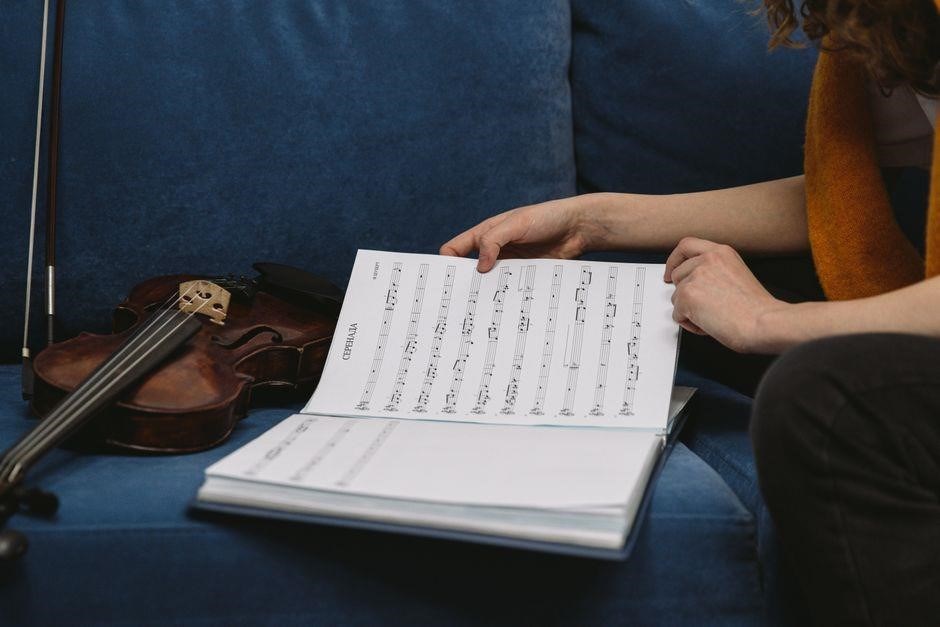
In the third volume‚ students encounter a broad spectrum of techniques that build upon foundations laid in earlier books. The material focuses on advanced bowing patterns‚ including spiccato‚ ricochet‚ and varied articulation across multiple positions. It introduces double‑stop mastery‚ demanding precise intonation and coordination between left‑hand shifts and right‑hand bow control. The book also emphasizes rhythmic precision‚ with exercises that integrate syncopation‚ dotted rhythms‚ and complex time‑signatures such as 5/8 and 7/8. Advanced left‑hand techniques such as shifting to higher positions‚ left‑hand pizzicato‚ and the use of the thumb for extended range are systematically practiced. Students are encouraged to develop a consistent tone by practicing long‚ sustained bow strokes.
Moreover‚ the book introduces advanced bowing techniques such as spiccato with a single stroke‚ ricochet across multiple strings‚ and the use of the bow’s edge to create subtle timbral variations. It also includes exercises that require simultaneous left‑hand shifting and right‑hand bowing in different positions‚ promoting independence and coordination. The repertoire pieces demand expressive phrasing‚ dynamic contrast‚ and the ability to sustain long melodic lines while maintaining intonation accuracy across the instrument’s full range.
Students are guided through a series of progressive technical studies that begin with simple double‑stop exercises and evolve into complex passages featuring rapid shifts‚ double‑stop arpeggios‚ and intricate rhythmic subdivisions. The curriculum emphasizes the importance of pulse‚ consistent bow pressure‚ and precise left‑hand placement‚ all of which contribute to a polished and confident performance style. These studies cultivate precision and musicality for musicians!
Repertoire Highlights
Volume three presents a carefully curated selection of pieces that bridge the gap between intermediate and advanced repertoire. Students encounter works by composers such as William Walton‚ Béla Bartók‚ and contemporary writers‚ each chosen for its pedagogical value and musical depth. The book opens with a rondo that introduces double‑stop passages and syncopation‚ setting the tone for the rest of the volume. Following this‚ a lyrical movement from Walton’s “Viola Concerto” challenges players to sustain long‚ singing lines while maintaining a steady pulse across shifting positions.
Midway‚ a set of études by Bartók provides a rigorous test of left‑hand agility and bow control‚ featuring arpeggios‚ chromatic runs‚ and patterns that demand intonation. These studies also incorporate the use of the thumb for extended range‚ encouraging students to explore the instrument’s upper register. The final piece‚ an original composition by a contemporary composer‚ blends traditional techniques with modern harmonic language‚ offering a satisfying conclusion that showcases the player’s growth in both technical skill and musical expression.
The selection continues with a series of pieces that emphasize expressive phrasing‚ dynamic contrast‚ and technical refinement. Each work is chosen to reinforce the skills developed in earlier studies‚ ensuring a cohesive learning experience. The repertoire invites students to explore varied musical styles‚ from Baroque to contemporary‚ fostering versatility and artistic growth. Moreover‚ the book includes original compositions that challenge interpretive skills and musical insight. To deepen understanding. Also‚!
Methodical Practice Plans
Volume three’s practice framework is designed to scaffold learning through incremental milestones. Each week’s agenda begins with a warm‑up routine that targets specific technical challenges highlighted in the preceding studies. Students are encouraged to allocate 15 minutes to scales in all keys‚ followed by a focused run of arpeggios that emphasize smooth bow transitions.
After the warm‑up‚ the plan directs attention to the first study of the week. A two‑minute slow‑down session isolates difficult passages‚ allowing the player to identify intonation issues or bowing inconsistencies. The remaining time is divided into four 10‑minute blocks‚ each dedicated to a different aspect: left‑hand precision‚ bow control‚ rhythmic accuracy‚ and musical phrasing. This segmented approach ensures that each technical element receives dedicated focus while preventing fatigue.
Mid‑week‚ a review session consolidates progress. Students play the piece at a moderate tempo and record themselves for self‑assessment. The final part involves a rehearsal in front of a teacher or peer‚ receiving feedback on dynamics and expression. This cycle—warm‑up‚ practice‚ reflection—creates a habit of deliberate practice aligned with Suzuki soon
Additionally‚ the book includes a “Practice Log” template that encourages students to track daily achievements and challenges. Learners develop metacognitive awareness and adjust their practice strategies. The structured plan builds technical proficiency and cultivates a disciplined mindset for long‑term growth.
How to Use the PDF for Practice
Open the PDF‚ bookmark key pages‚ and print practice sheets. Use a metronome to pace exercises‚ recording sessions for self‑review. Schedule 30‑minute blocks‚ alternating technical drills with full‑ runs. Adjust tempo gradually‚ focusing on tone and intonation consistency.

Setting Up a Study Schedule
Begin by assessing your weekly availability and setting realistic goals. Allocate 45‑minute sessions five days a week‚ dividing time among warm‑ups‚ technical studies‚ repertoire‚ and review. Use a calendar or digital planner to mark specific pieces from the PDF‚ noting page numbers for quick reference.
- Warm‑up (10 min): Scales‚ arpeggios‚ and bowing exercises from Book 3 to establish posture and tone.
- Technical drills (15 min): Alternate left‑hand agility‚ bow control‚ and rhythmic precision‚ focusing on one skill per session.
- Repertoire (15 min): Play selected pieces slowly‚ segmenting difficult passages‚ and using a metronome for steady tempo.
- Review (5 min): Record the session‚ listen for intonation issues‚ and note adjustments for the next practice.
Utilize a digital metronome app to keep tempo‚ and a voice recorder to capture progress. After each practice‚ write a brief log: what worked‚ what needs improvement‚ and next steps. This habit builds self‑awareness and keeps you accountable. Remember to warm‑up your body‚ stretch‚ and hydrate before sessions to avoid strain. Finally‚ celebrate milestones—complete a piece or reach a technical milestone—to sustain motivation throughout the learning journey.
Rotate repertoire weekly to maintain variety and motivation. Every fourth week‚ schedule a full‑book review: play through all pieces‚ assess overall progress‚ and adjust goals accordingly. Incorporate short breaks every 15 minutes to prevent fatigue‚ and end each session with a cool‑down stretch. Consistency‚ deliberate practice‚ and mindful rest will accelerate mastery of Suzuki Book 3’s challenges.
Maintain a practice journal: record dates‚ duration‚ pieces practiced‚ technical focus‚ and subjective feelings. Review the journal weekly to identify patterns and adjust the schedule. Set SMART goals—Specific‚ Measurable‚ Achievable‚ Relevant‚ Time‑bound—for each month‚ such as mastering a particular bowing technique or completing a new piece. This structured approach keeps progress transparent and motivating.
When using the PDF‚ highlight passages that need extra attention; Use the PDF’s search function to quickly locate challenging sections. If possible‚ print out the page and annotate directly‚ marking tempo changes‚ dynamic markings‚ and bowing directions. This visual aid reinforces muscle memory and ensures you stay on track during practice.
Finally‚ schedule a periodic check‑in with a teacher or mentor‚ even if informal. Share recordings‚ receive feedback‚ and adjust your practice plan accordingly. This external perspective helps catch subtle issues that self‑practice might miss‚ ensuring continuous improvement and a deeper understanding of the Suzuki method’s pedagogical goals.
By following this structured yet flexible schedule‚ you’ll build confidence‚ refine technique‚ and enjoy the rich musical journey that Suzuki Book 3 offers.