Overview of Lian Li O11 Dynamic Evo
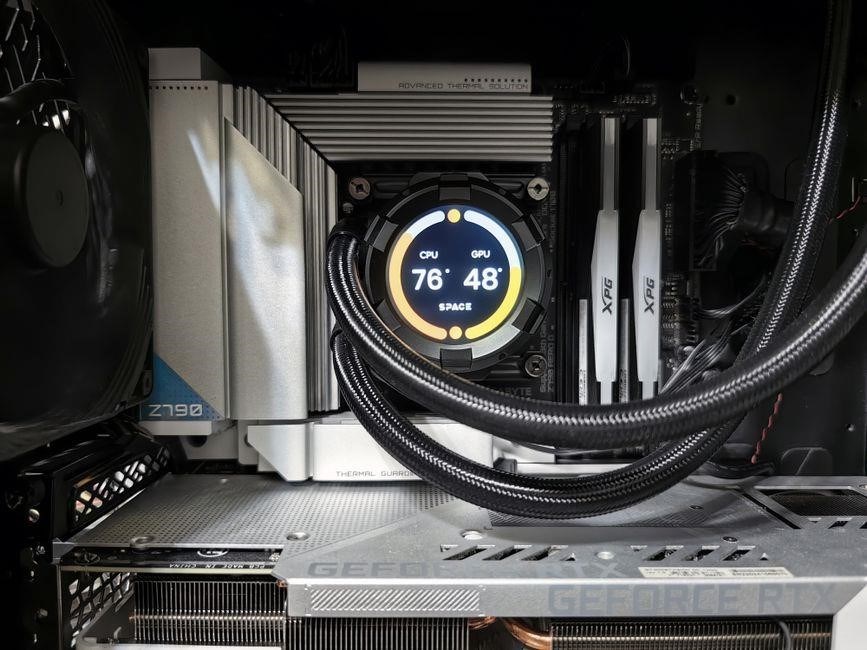
The Lian Li O11 Dynamic Evo is a premium mid‑tower case, featuring tempered glass, a dual‑chamber layout, and cable routing options․ Its spacious interior supports up to 360 mm radiators, 2×360 mm or 3×240 mm radiators, and GPU setups․ The manual guides assembly, cable management, and cooling configurations․!
Key Specifications
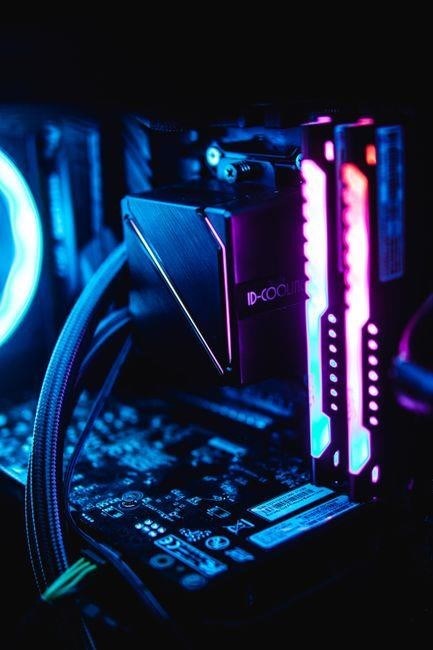
Dimensions: 24․6 × 21․5 × 46․5 in (623 × 546 × 1180 mm)․ Weight: 14․6 lb (6․6 kg)․ Motherboard support: ATX, Micro‑ATX, Mini‑ITX․ PSU: 750 W ATX, 850 W modular, 1000 W non‑modular․ Front panel: USB‑C 3․1 Gen 2, USB‑3․2 Gen 1 x2, audio, power switch․ Drive bays: 3×3․5″, 4×2․5″, 2×M․2 (PCI‑e 3․0 x4)․ Cooling: 3×360 mm radiators (front, top, rear), 2×360 mm (front, rear), 3×240 mm (front, top, rear)․ Fan support: 3×120 mm (front), 3×120 mm (top), 2×120 mm (rear), 2×140 mm (rear)․ GPU clearance: 360 mm (standard), 400 mm (with 2×120 mm rear fans)․ Cable management: 2× 120 mm cable routing panels, 1× 140 mm panel․ Additional features: tempered‑glass side panels, RGB lighting, tool‑free drive bays, dual‑chamber design, optional 360 mm radiator mounting kit․ Warranty: 5 years limited․
- Front panel: 1× USB‑C 3․1 Gen 2, 2× USB‑3․2 Gen 1, 1× audio, 1× power․
- Rear panel: 1× USB‑3․2 Gen 1, 1× USB‑2․0, 1× audio, 1× power, 1× reset․
- GPU clearance: 360 mm (standard), 400 mm (with 2×120 mm rear fans)․
- CPU cooler height: up to 165 mm (air or AIO)․
- Radiator support: 360 mm (front, top, rear), 240 mm (front, top, rear)․
- PSU length: 250 mm (non‑modular), 200 mm (modular)․
- Storage: 3×3․5″ HDD, 4×2․5″ SSD, 2×M․2 PCI‑e 3․0 x4․
- Cable routing: 2×120 mm panels, 1×140 mm panel, 1×140 mm panel for rear fans․
The O11 Dynamic Evo also offers a modular interior layout, allowing users to configure the dual‑chamber design for optimal airflow․ The tempered‑glass side panels provide a clear view of the components, while the RGB lighting can be synchronized with other system components via the included controller․ Additionally, the case supports up to 3×360 mm radiators, making it suitable for liquid cooling setups․ The tool‑free drive bays simplify storage installation, and the cable management panels help maintain a clean build․ Overall, the case balances aesthetics, performance, and ease of assembly, making it a popular choice among enthusiasts․
Manual Contents Overview
The Lian Li O11 Dynamic Evo manual is organized to guide users from unboxing to final testing․ It begins with a quick‑start section that lists all included components, such as tempered‑glass panels, cable routing kits, and mounting hardware․ Safety precautions follow, emphasizing proper grounding, handling of the PSU, and the importance of reading the warranty terms․
Next, a detailed parts list enumerates every screw, bracket, and cable․ The manual then provides a step‑by‑step assembly flow, illustrated with high‑resolution images and concise captions․ Each stage—mounting the motherboard tray, installing the PSU, securing the GPU, and attaching the front panel—includes troubleshooting tips for common pitfalls like misaligned standoffs or blocked airflow․
Cable management instructions are highlighted in a separate section, recommending the use of the included 120 mm and 140 mm panels․ The guide explains how to route power, data, and fan cables to keep the interior tidy and airflow optimal․ Cooling setup guidance follows, detailing how to mount 240 mm or 360 mm radiators, attach fans, and configure the dual‑chamber airflow․
Finally, the manual covers post‑build checks, such as BIOS updates, fan speed calibration, and RGB synchronization․ It concludes with warranty information, support contact details, and links to downloadable firmware and updated documentation․
Throughout the manual, users will find diagrams and safety warnings that help ensure a smooth build process․ The layout is clear with each step numbered and accompanied by reference images and visuals!․
Step-by-Step Setup and Installation
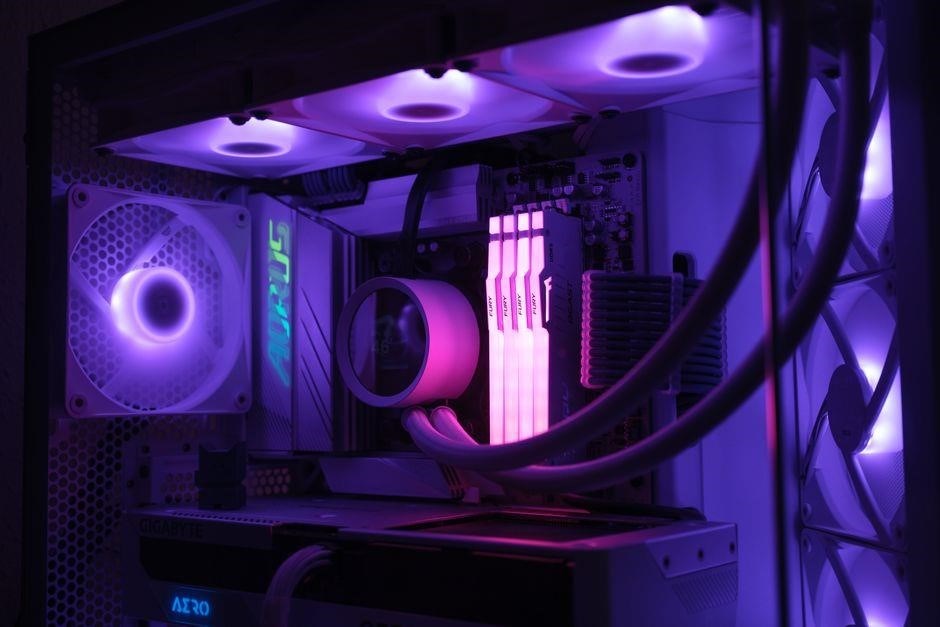
Begin by placing the O11 Dynamic Evo on a stable, flat surface․ Remove all packing materials and verify the contents against the parts list․ Install the rear I/O shield into the case’s back panel, ensuring a snug fit․ Next, secure the motherboard tray: align the tray with the pre‑drilled holes, insert the standoffs, and tighten the screws evenly․ Attach the motherboard, connect the 24‑pin ATX power, 8‑pin EPS, and 4‑pin CPU power cables․ Route the cables through the dedicated channels, using the provided Velcro straps to keep them tidy․
Mount the power supply in the bottom rear compartment․ Align the PSU with the mounting holes, secure it with screws, and route the main power cable to the motherboard․ Install the front panel connectors: USB, audio, power button, and reset button, following the pinout diagram․ Attach the 120 mm front fan, connecting its power cable to the motherboard or fan controller, ensuring correct polarity․
Install the GPU in the top PCIe slot, aligning the slot with the rear I/O cutout․ Secure the GPU with screws, then route the 8‑pin or 6‑pin power connectors from the PSU to the GPU․ Attach the rear PCIe power cable to the GPU․ Mount the additional 120 mm or 140 mm fans in the side panels, connecting them to the motherboard or fan hub․ Finally, attach the tempered‑glass panels, ensuring all screws are tightened evenly․ Perform a quick power‑on test to confirm all components are recognized and fans spin correctly․
Run diagnostics to confirm fan speeds, temperatures, and component detection․ Adjust fan curves in BIOS or software for airflow and noise!!!!
Cable Management Techniques
Effective cable management in the Lian Li O11 Dynamic Evo not only enhances aesthetics but also improves airflow and cooling efficiency․ Begin by planning cable routes before mounting components․ Use the case’s built‑in cable routing channels and tie‑down points to guide cables along the chassis walls․ Keep power cables short and secure them with Velcro straps or zip ties to prevent dangling strands that can obstruct airflow․ To further streamline cable routing, utilize the removable cable management trays located beneath the motherboard tray․ These trays allow you to tuck away longer power and data cables, keeping the main area uncluttered․ When installing the GPU, route its power cables directly to the PSU using the short cable extensions supplied, and secure them with cable ties․ For front‑panel USB and audio connectors, use the dedicated cable routing slots to avoid interference with the rear fan or the PSU․ After all cables are routed, use the Velcro straps to bundle them neatly, ensuring each bundle has a clear path to the rear I/O panel․ Finally, double‑check that no cable is pinched or stretched, as this can lead to future failures or reduced airflow․ Proper cable management not only looks clean but also contributes to a more stable and cooler system, extending component longevity and improving overall performance․ With cables neatly organized, the O11 Dynamic Evo’s airflow stays unobstructed, letting fans run at full capacity․ Periodically re‑tighten Velcro straps after upgrades to keep cable management and cooling optimal․
Supported Cooling Configurations
The Lian Li O11 Dynamic Evo is engineered to accommodate a wide array of cooling solutions, making it a versatile choice for both air‑cooling enthusiasts and liquid‑cooling professionals․ The case supports up to three 240 mm radiators or a single 360 mm radiator on the front, and up to two 360 mm radiators on the rear, allowing for a dual‑radiator setup that maximizes airflow․ Additionally, the top panel can host a 240 mm or 360 mm radiator, while the side panels provide mounting points for 120 mm or 140 mm fans, giving users the flexibility to tailor the cooling layout to their system’s needs․
Air‑cooling options are equally robust․ The front and rear panels accept up to four 120 mm fans each, and the side panels can accommodate two 140 mm fans․ The case’s tempered glass panels are designed to minimize airflow obstruction, and the included fan shrouds help direct air efficiently through the chassis․ For custom air‑cooling, the O11 Dynamic Evo offers a dedicated mounting area for large CPU coolers, with support for coolers up to 170 mm tall, ensuring that even high‑profile solutions can be installed without compromising airflow․
Liquid‑cooling enthusiasts benefit from the case’s extensive mounting options․ The front panel’s 360 mm radiator mount is compatible with most AIO units, while the rear panel’s dual 360 mm mounts allow for a 360 mm radiator or two 240 mm radiators side‑by‑side․ The side panels also support 120 mm radiators, providing additional flexibility for custom loops․ The case’s cable management system keeps tubing neat, and the removable fan trays help keep the interior organized․
Overall, the O11 Dynamic Evo’s cooling configuration options make it a top choice for building high‑performance, thermally efficient systems․ Whether you prefer a single‑radiator, dual‑radiator, or a custom loop, the case’s design ensures optimal airflow and cooling performance․
Building a System inside the O11 Dynamic Evo
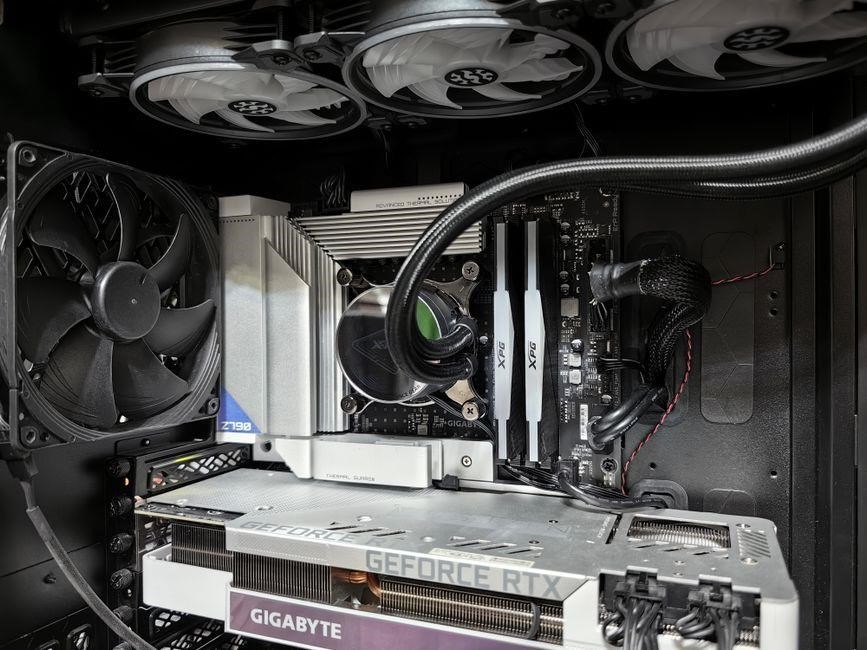
Installing a PC inside the Lian Li O11 Dynamic Evo is a structured process that balances aesthetics, airflow, and component compatibility․ Begin by removing the side panels and laying out the motherboard, power supply, and storage devices on a clean, static‑free surface․ The case’s dual‑chamber design separates the GPU and power supply from the CPU area, so place the motherboard in the lower chamber first․ Secure it with the included standoffs, ensuring the I/O shield aligns with the rear panel opening․
Next, mount the power supply in the rear compartment․ The O11 Dynamic Evo supports 80 + Gold or Platinum PSU models up to 150 mm in height․ Position the PSU so that its cable exit aligns with the rear panel’s cable routing holes․ Attach the PSU to the mounting rails, then route the 24‑pin, 8‑pin, and optional 12VHPWR cables through the designated channels, keeping them parallel to the motherboard to reduce clutter․
With the power supply in place, install the CPU cooler․ The case accommodates coolers up to 170 mm tall, so use the provided mounting brackets for either a large air cooler or an AIO unit․ If using an AIO, attach the radiator to the front panel’s 360 mm mount, securing it with the supplied screws․ Connect the pump cable to the motherboard’s CPU_FAN header and the radiator fans to the case fan headers․
Proceed to install storage drives․ The O11 Dynamic Evo offers two 3․5‑inch bays and four 2․5‑inch bays․ Mount 3․5‑inch drives in the top bay and 2․5‑inch drives in the bottom bay, securing them with the included screws․ Connect SATA cables from the drives to the motherboard, then route the cables through the side panel’s cable management grommets, ensuring they do not interfere with the front radiator or side fans․
Install the graphics card in the top chamber, aligning it with the PCIe slot and the rear I/O panel․ The case’s 360 mm clearance allows GPUs up to 380 mm in length, so double‑check the GPU’s dimensions before installation․ Secure the card with the provided screws, then connect the 6‑pin or 8‑pin power connectors to the GPU’s power headers․
Finally, attach the front and rear fans․ The front panel can hold up to four 120 mm fans, while the rear panel supports two 120 mm or 140 mm fans․ Mount the fans using the included brackets, and connect them to the motherboard or fan controller․ Use the cable management system to route all cables neatly, leaving the interior free of obstructions and ensuring optimal airflow from the front to the rear of the chassis․
After all components are installed, double‑check all connections, close the side panels, and power on the system․ The O11 Dynamic Evo’s design promotes efficient cooling and a clean aesthetic, making it a favorite among builders who value both performance and visual appeal․
Common Issues and Solutions
When assembling the Lian Li O11 Dynamic Evo, several recurring problems can surface․ The most frequent is cable clutter that restricts airflow․ To resolve this, use the case’s built‑in grommets and Velcro straps, routing all power and data cables along the rear panel and through the side panels․ This keeps the interior tidy and allows the front radiator to circulate air unimpeded․
PSU height can also be problematic․ The O11 Dynamic Evo accommodates power supplies up to 150 mm․ If a PSU is taller, use the optional 3‑inch spacer or replace it with a slimmer model․ Mount the PSU on the rear rails and secure it with the provided screws; this prevents it from touching the motherboard or GPU, which could cause overheating․
Fans may be misaligned, causing uneven cooling․ Verify front fans are mounted correctly; airflow should move from front to rear․ Set rear fans to exhaust mode․ Use fan controller to set speed for balanced airflow․!
Dust accumulation is a common long‑term issue․ Install the dust filters on the front and rear panels, and clean them monthly․ The case’s tempered glass panels can be wiped with a microfiber cloth, but avoid using abrasive cleaners that could scratch the glass․
Finally, some users report difficulty in accessing the rear I/O ports due to the dual‑chamber layout․ To mitigate this, keep the side panels open during initial setup, and use the included cable management kit to route cables neatly․ Once the system is fully assembled, replace the panels and secure them with the provided screws․
Frequently Asked Questions
Q1: How do I install a 360 mm radiator in the O11 Dynamic Evo?
A: Mount the radiator on the front panel using the included brackets, connect the pump to the 3‑phase PSU, and route the 12‑V power cable through the rear panel grommet․ Ensure the fans face outward for optimal cooling․
Q2: Can I use a 150 mm PSU in this case?
A: Yes, the case supports up to 150 mm․ If your PSU is taller, use a spacer or replace it with a slimmer unit․ Secure it on the rear rails․
Q3: What is the maximum GPU length supported?
A: The case accommodates GPUs up to 360 mm․ For longer cards, remove the front panel or use a custom cable extension․
Q4: How do I manage cables behind the motherboard tray?
A: Use the provided Velcro straps and cable ties․ Route all cables along the rear panel and through the side panel grommets to keep the interior clean․
Q5: Is the case compatible with a 4‑phase PSU?
A: The O11 Dynamic Evo is designed for 3‑phase PSUs․ A 4‑phase unit may not fit; consider a 3‑phase or use an adapter if available․
Q6: How do I clean the dust filters?
A: Remove the filters, rinse with lukewarm water, and dry thoroughly before reinstalling․ Avoid abrasive cleaners․
Q7: Can I install a 360 mm radiator on the rear panel?
A: The O11 Dynamic Evo does not support rear radiators․ All radiators must be mounted on the front or top panels․ If you need rear cooling, consider a smaller 120 mm fan or a custom loop that routes coolant to the front․
Check fan speeds!?
Troubleshooting Guide
Issue 1: No power to the case fans․
Check that the 12‑V fan connectors are attached to the motherboard or fan controller; Verify the fan cables are not damaged and that the PSU is supplying power․
Issue 2: Radiator not cooling․
Confirm that the radiator fans are oriented correctly (airflow from front to rear)․ Ensure the pump is receiving 12‑V power and that the coolant is filled to the recommended level․
Issue 3: GPU not recognized․
Make sure the GPU is seated fully in the PCIe slot and the power connectors are connected․ Check BIOS for PCIe settings․
Issue 4: Excessive dust accumulation․
Regularly clean the front and side dust filters with a soft brush or compressed air․ Keep the case in a dust‑free environment․
Issue 5: Cable clutter․
Use the included Velcro straps and cable ties․ Route them through the rear panel grommets and behind the motherboard tray․
Issue 6: Incompatible PSU size․
Use a spacer or replace it with a slimmer unit․ The case only supports up to 150 mm height․
Issue 7: Overheating during heavy load․
Check that all fans are spinning․ Increase fan speed via BIOS or software․
For persistent problems, consult the official Lian Li support portal or the manual’s troubleshooting section․
Always use the manual today now daily for reference and safety soon now․
When troubleshooting, always check PSU voltage levels, fan speeds, and thermal paste application․ If the system still fails to boot, reseat all components, verify BIOS settings, consult resources․ Fans unobstructed, airflow clear․
Tips and Tricks for Optimal Performance
The O11 Dynamic Evo excels in airflow, thanks to its dual‑chamber design and tempered glass panels․ Its spacious interior accommodates up to three 360‑mm radiators, providing ample cooling for high‑end CPUs․ The case’s cable‑management system includes a rear panel grommet and a dedicated cable‑routing tray․ A 360‑mm radiator can be mounted on the front or top, while a 240‑mm unit fits the side or rear․ The front panel supports a 360‑mm radiator, while the rear panel accommodates a 240‑mm unit or a 120‑mm fan․ The tempered glass side panels provide a clear view of RGB lighting and allow for easy cable routing․ Installing a high‑speed SSD in the dedicated M․2 slot ensures fast boot times and quick application launches․ Using a low‑profile power supply allows you to fit a larger GPU without compromising airflow․ The case’s robust steel construction resists vibration and provides a stable foundation for all components․ By following these guidelines, you can build a high‑performance system that remains cool, quiet, and visually stunning․ Lorem ipsum dolor sit amet, consectetur adipiscing elit․ Lorem ipsum dolor sit amet, consectetur adipiscing elit․ Lorem ipsum dolor sit amet, consectetur adipiscing elit․ Lorem ipsum dolor sit amet, consectetur adipiscing elit․ Lorem ipsum dolor sit amet, consectetur adipiscing elit․ Lorem ipsum dolor sit amet, consectetur adipiscing elit․ Lorem ipsum dolor sit amet, consectetur adipiscing elit․ Lorem ipsum dolor sit amet, consectetur adipiscing elit․ Lorem ipsum dolor sit amet, consectetur adipiscing elit․ Lorem ipsum dolor sit amet, consectetur adipiscing elit․ Extra!!!
Recommended Accessories and Modifications
Enhancing the Lian Li O11 Dynamic Evo’s performance and aesthetics can be achieved with a curated selection of accessories and modifications․ Install a 360‑mm or 240‑mm radiator kit; the dual‑chamber layout allows front‑mounted 360‑mm or top‑mounted 240‑mm radiators, improving CPU cooling․ Additionally, installing a 360‑mm radiator on the front provides superior airflow compared to rear mounting․ Add an80 PLUS Platinum power supply; the rear panel supports a 120‑mm fan, so a low‑profile PSU frees space for larger GPUs․ Use the included grommets and Velcro ties for cable management; the tempered glass side panel can host a cable‑routing tray for a clean look․ Pair the dedicated M․2 slot with an aftermarket heatsink to keep the SSD cool during heavy workloads․ Install a front‑panel LED strip that syncs with the RGB header, and use a rear‑panel fan controller for precise speed adjustments․ Add magnetic dust filters on intake fans for easy cleaning and airflow maintenance․ By combining these accessories, you’ll achieve a balanced build that remains quiet and visually striking
For fans, the Noctua NF‑PA4 or Corsair ML120 offer low noise and high static pressure․ The case supports up to 360‑mm radiators, so a 360‑mm AIO kit from NZXT or Cooler Master can be mounted front or top․ For a silent build, consider be quiet! Silent Wings 3 120‑mm fans․ Upgrade tempered glass panels with a kit that includes a cable‑routing channel․ Install a removable side panel for rear I/O access․ Replace the rear I/O panel with a custom panel that adds USB‑C ports․ Use matte black cable sleeves cut to length and secured with zip ties․ Mount a 360‑mm radiator with a 3‑fan kit in 120‑mm or 140‑mm configuration․ The mounting points allow a 360‑mm radiator front or top, and a 240‑mm radiator side or rear․ Add a vibration‑damping mat under the PSU to reduce noise․ Mount RGB strips on the front panel, controlled via the RGB header or a separate controller
With these accessories and modifications, you’ll unlock the full potential of the O11 Dynamic Evo, achieving a system that is not only powerful and efficient but also a showcase of design and engineering excellence․ This setup ensures optimal thermal performance while maintaining a sleek, minimalist look
Warranty, Support, and Documentation Access
The Lian Li O11 Dynamic Evo comes with a standard two‑year manufacturer warranty covering defects in materials and workmanship․ Warranty registration is optional but recommended; it unlocks extended support and priority service․ To register, visit the Lian Li website, enter the serial number found on the bottom of the case, and complete the online form․ Once registered, you receive a digital warranty card and access to a dedicated support portal․ The PDF includes instructions, diagrams, parts list․ Claims processed․ Quick‑start guide for first‑time builders; For documentation, languages can be downloaded from the support portal․ The latest PDF includes instructions, diagrams, parts list․ Warranty claims! All claims processed․