black and decker coffee maker 12 cup manual

Product Overview

Black & Decker’s 12‑cup manual coffee maker delivers classic brewing with a simple lever‑pull design․ It holds 12 cups, features a removable brew basket, adjustable strength control, and a durable stainless‑steel carafe․ Ideal for small households or office use․ Enjoy robust flavor and easy cleanup․ Brewdailynow!

Model Specifications

Specifications: Capacity: 12 cups (1․5 L or 1500 mL)․ Power: 800 W, 120 V, 60 Hz․ Dimensions: 11․5 in (29․2 cm) wide, 7․5 in (19․1 cm) deep, 10․5 in (26․7 cm) high․ Weight: 6․2 lb (2․8 kg)․ Materials: Stainless‑steel carafe (304 grade), ABS plastic housing, silicone gasket․ Brew basket: 12‑cup, 0․5 mm mesh, removable, dishwasher safe․ Water reservoir: 1․5 L, removable, clear, 0․5 in (1․3 cm) lip for easy filling․ Temperature control: manual lever, no thermostat, water temperature 195–205 °F (90–96 °C)․ Strength selector: 3 settings (light, medium, strong), adjustable by lever position․ Timer: none (manual)․ Power cord: 18‑ft (5․5 m), 120 V, 15 A plug․ Safety: auto‑off after 30 min of inactivity, thermal fuse, child‑proof lock․ Warranty: 1 year limited, includes parts and labor․ Certifications: UL, ETL, CSA․ Color: matte black․ Accessories: none included․ Compatibility: standard 120 V outlets, 60 Hz․ Maintenance: removable parts, dishwasher safe, recommended cleaning after each use․ Energy rating: not rated․ Brewing time: 5–7 minutes per cup․ Cup size: 8 oz (237 mL)․ Filter: paper filter optional, 12‑cup capacity․ Brew basket material: stainless steel with anti‑corrosion coating․ Carafe capacity: 1․5 L, 12 cups․ Carafe material: BPA‑free․ Lid: snap‑on, heat‑resistant․ Brew spout: 1․5 in (3․8 cm) diameter․ Temperature indicator: none․ Noise level: 60 dB․ Power consumption: 800 W․ Energy efficiency: not rated․ The Black & Decker 12‑cup manual coffee maker is designed for convenience and reliability․ It features a simple lever‑pull mechanism that allows you to brew fresh coffee with minimal effort․ The stainless‑steel carafe retains heat for up to 30 minutes after brewing, ensuring that your coffee stays warm․ The removable brew basket can be washed in the dishwasher or by hand, and the water reservoir is designed for easy refilling and cleaning․ The product is lightweight and compact, making it suitable for small kitchens, dorm rooms, or office break areas․ The manual operation eliminates the need for a programmable timer, making it straightforward to use․ The 800‑W power rating provides a quick heating cycle, and the 120‑V plug is compatible with most North American outlets․ The product comes with a 1‑year limited warranty covering parts and labor․ The design includes a child‑proof lock and an auto‑off feature that activates after 30 minutes of inactivity, enhancing safety․ The matte black finish is durable and resists fingerprints․ The product is free of BPA and phthalates, ensuring a safe drinking experience․ The coffee maker’s dimensions and weight make it easy to store in a cabinet or on a counter․ The product is not energy‑star rated, but its efficient 800‑W heating element provides a quick brew time․ The product is sold by Black & Decker and is supported by the company’s customer service and warranty program․

Key Features

Black & Decker’s 12‑cup manual coffee maker offers a blend of convenience and control․ Its 1․5‑liter stainless‑steel carafe keeps coffee hot for up to 30 minutes after brewing, while the removable 12‑cup brew basket—made of fine 0․5‑mm mesh—prevents grounds from leaking yet allows optimal water flow․ The 800‑W heating element heats quickly, delivering a fresh pot in 5–7 minutes per cup․ A manual lever‑pull design eliminates the need for a timer, giving you full control over brew timing and strength․ Three strength settings—light, medium, and strong—enable you to tailor the flavor to your preference․ The auto‑off safety feature shuts the unit down after 30 minutes of inactivity, and a child‑proof lock prevents accidental operation․ The matte black finish resists fingerprints and adds a modern look to any kitchen or office décor․ Lightweight construction (6․2 lb) and a compact footprint (11․5 in × 7․5 in × 10․5 in) make storage and transport effortless․ Dishwasher‑safe components (carafe, basket, and water reservoir) simplify cleanup, and the reservoir’s clear design makes it easy to see water level․ BPA‑free, phthalate‑free materials guarantee a safe drinking experience․ The product is compatible with standard 120‑V outlets, 60 Hz, and 15‑A plugs, making it easy to plug into any North American kitchen or office setting․ The simple lever mechanism requires no programming or app, making it ideal for users who prefer straightforward, reliable coffee brewing․ The product’s low noise level (60 dB) keeps the kitchen quiet while brewing․ Enjoy reliable, low‑noise brewing with a sleek, modern design today!!

Setup and Installation

Plug unit into 120‑V outlet, fill reservoir with water, insert 12‑cup basket, add grounds, close lid, pull lever to start brew․ Wait 5‑7 min, then serve․ Enjoy quick, manual coffee! Keep the unit on a level surface and ensure the power cord is not kinked․ After brewing, let the car․

Unpacking Checklist

  • Black & Decker 12‑cup manual coffee maker unit․
  • 12‑cup removable brew basket․
  • Water reservoir lid and seal․
  • Power cord with 120‑V plug․
  • Instruction manual and warranty card․
  • Cleaning brush for carafe․
  • Spare filter (if applicable)․
  • Packaging tape and protective film․
  • Safety warning label․

Verify all parts are present and undamaged․ The unit should have a clear front panel, lever, and sealed reservoir․ The removable basket must fit snugly; the lid should close securely․ The power cord should be kink‑free and grounded․ The manual should list safety warnings, brewing steps, and warranty details․ Packaging tape and film should be intact, indicating proper sealing․ Check the safety label for handling instructions․ This checklist ensures a smooth setup and prevents issues․

Inspect the exterior for scratches or dents․ The lever should move freely; a stiff lever may indicate a defect․ Test the reservoir by filling with tap water and shaking gently to ensure the seal stays intact․ Verify the basket has no cracks or warped edges․ Confirm the cord’s insulation is smooth and the plug’s prongs are straight․ Check the manual for clear brewing diagrams and that the warranty card lists the serial number․ The brush should have firm bristles for scrubbing the carafe without scratching․ The packaging tape should be intact, and the protective film removed from all surfaces before first use․ Completing this inspection will help identify defects early and ensure a safe brewing experience․

Store the unit in a dry, dust‑free area and keep the cord out of reach of children․ Following this checklist guarantees a trouble‑free setup and great coffee․


After setup, test the machine by running a short brew cycle with water only to ensure proper operation before adding coffee grounds․

Keep the manual handy for future reference and troubleshooting․ The unit’s simple lever‑pull design offers reliable performance for daily use․ OK!

Assembly Steps

Position the coffee maker on a flat, stable surface and ensure the power outlet is within reach․ Attach the water reservoir by sliding it onto the base until the latch clicks․ The reservoir should sit flush with the front edge of the base; check that the lid seals tightly to prevent leaks․ Insert the removable brew basket, aligning its rim with the reservoir opening and sliding it in until it locks․ Place a paper or reusable filter inside if required, centering it to avoid uneven water flow․ Connect the power cord, inserting the plug into the back of the machine and ensuring it is fully seated; route the cord along the side to keep it out of the lever’s path․ Secure the stainless‑steel carafe on the holder, aligning the spout with the machine’s outlet and ensuring the base is level to prevent spillage․ Test the lever mechanism by gently pulling it to the brew position and releasing; it should return smoothly․ If the lever feels stiff, tap the base to release trapped air․ Perform a trial brew by filling the reservoir with cold tap water, closing the lid, and placing a filter in the basket․ Pull the lever to start brewing, observing the water flow and ensuring the carafe receives a steady stream․ Once the brew cycle completes, turn off the machine and disconnect the power cord․ Clean the carafe and rinse the basket before storing the unit․ This assembly process ensures a stable, leak‑free, and efficient brewing experience for daily use․ Its compact footprint fits in any kitchen, while removable parts simplify cleaning daily now․

Operation Guide

Fill the reservoir, insert a filter, place the carafe, pull the lever to start brewing, and wait until the cycle completes․ Adjust strength by adding more grounds․ After brewing, release the lever, unplug, and clean the machine․ Follow safety instructions․Use fresh water for best taste․!!!

Using the Manual Brew Function

To brew coffee manually with the Black & Decker 12‑cup model, begin by filling the water reservoir with fresh, cold water up to the 12‑cup mark․ Place a paper or reusable filter into the basket, then add your preferred coffee grounds—roughly one tablespoon per cup for a standard strength, or adjust to taste․ Secure the basket in place and set the carafe on the warming plate․ Gently pull the lever down to start the brew cycle; the machine will draw water through the grounds, producing a rich, aromatic brew․ Once the lever returns to its original position, the cycle is complete․ Carefully lift the lever to release any remaining pressure, then remove the carafe․ If you desire a stronger brew, simply repeat the process with a higher coffee‑to‑water ratio․ Always allow the machine to cool before cleaning․ For optimal flavor, use filtered water and clean the filter basket regularly․ The manual function offers precise control over brew timing and strength, making it ideal for coffee enthusiasts who prefer a hands‑on experience․ Enjoy your freshly brewed cup! Before starting, ensure the power cord is securely plugged into a grounded outlet․ After brewing, allow the carafe to sit for a minute to settle the grounds․ If you notice any bitter aftertaste, try rinsing the filter basket with warm water․ For a smoother cup, use a finer grind size․ Remember to keep the machine away from children and pets․ The manual lever provides a tactile experience that many users find satisfying, especially when experimenting with different brew strengths․ Finally, store the coffee maker in a dry place to preserve its longevity․

To set the Black & Decker 12‑cup manual coffee maker’s programmable timer, first ensure the unit is plugged in and the water reservoir is filled to the desired level․ Press the “Timer” button until the display lights up, then use the “+” and “–” buttons to select the number of hours and minutes before the brew starts․ The machine allows a 24‑hour setting advance for scheduling daily! Once the time is set, press the “Start” button; the indicator will flash to confirm the schedule․ During the countdown, the coffee maker remains in standby mode, conserving energy while the timer counts down․ When the set time arrives, the machine automatically pulls the lever, begins the brew cycle, and the carafe fills with hot coffee․ After brewing, the timer resets to the standby state, ready for the next schedule․ If you need to cancel the timer, simply press the “Timer” button again to turn it off․ The programmable feature is especially handy for early‑morning routines or for office use, ensuring a warm cup is ready without manual intervention․ Always check that the carafe is properly seated on the warming plate, and keep the machine away from children while the timer is active․ For optimal flavor, use fresh coffee grounds and filtered water․ The timer’s simplicity and reliability make it a convenient addition to the Black & Decker 12‑cup manual coffee maker’s versatile brewing options․ Set the timer to 6:30 AM for a fresh brew each morning, and enjoy the convenience of a ready cup without the hassle of manual brewing․ Keep timer set for daily․ now

Cleaning and Maintenance

Daily cleaning keeps the 12‑cup Black & Decker coffee maker fresh․ Remove the carafe, rinse the brew basket, and wipe the exterior with a damp cloth․ Descale monthly with a vinegar‑water solution, run a full cycle, then rinse twice․ Store dry․ Remember to replace the filter annually for optimal taste․Keep it dry․

Daily Cleaning Routine

After each brew, turn off and unplug the machine․ Remove the stainless‑steel carafe and rinse with warm water to eliminate oils․ Lift the removable brew basket, dislodge grounds, and rinse․ Replace paper filters if used․ Wipe the reservoir interior with a damp cloth, ensuring no residue․ Clean the exterior with mild soap; avoid abrasives․ Dry all parts before reassembly․ Run a short water cycle without grounds to flush particles․ Inspect the drip tray, removing any residue with a brush․ Check the brew head for clogs; a cotton swab can clear debris․ If a metallic taste appears, a vinegar soak can reduce mineral buildup; rinse thoroughly․ Store the unit with the lid open to prevent mold․ Use a water softener for hard water to limit scale․ Periodically inspect the power cord for frays and replace if needed․ Label parts to track cleaning frequency and document the routine to maintain consistent performance․

Use a water filter to reduce mineral content, especially in hard‑water areas, preventing scale buildup and extending the heating element’s life․ Keep the drip tray and reservoir dry and well‑ventilated to avoid mildew․ If you hear unusual noises, unplug the unit and inspect the water pump; a clogged pump can cause rattling․ Replace the pump if needed․ Check the power cord for frays—frayed cords pose safety hazards․ Store the machine in a dust‑free area, and wipe the exterior with a dry cloth to maintain its look․ Following these steps ensures consistent performance and a longer product lifespan․ Thanks!

Begin by unplugging the machine and allowing the carafe to cool․ Remove the brew basket and any paper filters․ Fill the water reservoir with a mixture of equal parts white vinegar and water, up to the 12‑cup mark․ Place a clean, empty carafe on the warming plate․ Close the lid and run a full brew cycle without coffee grounds․ Once the cycle completes, let the machine sit for 10 minutes to allow the vinegar solution to break down mineral deposits․ After the pause, discard the vinegar mixture and rinse the reservoir thoroughly with clean water․ Repeat the rinse cycle to ensure all vinegar residue is removed․ Next, fill the reservoir with fresh water only, run another full brew cycle, and discard the water․ Inspect the brew head and filter basket for any remaining scale; use a soft brush or a paper towel to wipe away deposits․ Finally, wipe the exterior with a damp cloth, dry all parts, and reconnect the power cord․ Perform this descaling routine every 3–4 months or after 200–250 uses to maintain optimal performance and flavor․

To further enhance longevity, consider installing a water softener if your tap water is high in minerals․ A softener reduces limescale buildup, allowing the heating element to operate efficiently and extending the machine’s lifespan․ After each descaling cycle, inspect the water inlet filter for debris; a clogged inlet can cause uneven heating and affect brew quality․ If you notice a low water warning check the sensor and clean it with a soft brush and dry it thoroughly before reassembly․ For optimal aroma, store beans in a very container and use a paper filter to avoid metal taste․ Finally, keep the machine’s power cord in good condition; replace it if frayed to prevent hazards․ Additionally, consider using a descaling tablet that dissolves slowly over several cycles, which can be more convenient than vinegar and ensures consistent mineral removal without altering the coffee’s flavor profile․ Clean brew․!!!

Troubleshooting Common Issues

When the 12‑cup manual model stalls, start with the most frequent culprits․ If the machine won’t power on, verify that the outlet is functioning, the cord is intact, and the reset button (if present) has been engaged․ A faulty power cord is a common cause of a dead unit; replace it with an identical Black & Decker part․ If the brew cycle begins but no water appears in the carafe, the water reservoir may be mis‑aligned or the inlet filter clogged․ Remove the filter, rinse it, and re‑insert it firmly․ For a weak or uneven brew, clean the brew basket and the filter screen; mineral deposits can choke the flow․ A clogged brew head can also produce a “no‑brew” symptom; use a soft brush or a paper towel to clear any residue․ When the machine displays a low‑water warning, ensure the reservoir is filled to the 12‑cup line and that the lid is closed properly․ If the coffee tastes metallic or burnt, the heating element may be corroded; run a descaling cycle with vinegar or a commercial descaler․ A persistent “error 3” code typically indicates a sensor fault; unplug the unit, let it sit for 10 minutes, then plug back in and reset․ Finally, if the carafe remains hot after the brew cycle, the thermostat may be stuck; a quick reset by unplugging for a minute often restores normal operation․ Keep the water reservoir clean and use filtered water for best taste․ Also replace filter every 3 months!!


year 6 maths worksheets pdf

Year 6 maths worksheets PDF offer concise practice in decimals‚ fractions‚ ratios‚ coordinate geometry‚ and problem solving. Free downloadable PDFs from education sites and third‑party portals provide printable tasks aligned with curriculum standards‚ supporting both classroom and home learning. Enjoy!!!!!!

Purpose and Curriculum Alignment

Year 6 maths worksheets in PDF format serve a dual purpose: they provide targeted practice that reinforces key concepts and they act as a bridge between classroom instruction and independent learning. By aligning each worksheet with the national curriculum framework—covering decimals‚ fractions‚ ratios‚ coordinate geometry‚ and algebraic reasoning—educators can ensure that students receive consistent‚ standards‑based exposure to the skills they must master. The PDF format offers flexibility: teachers can print individual activities‚ combine them into themed packs‚ or distribute them digitally for self‑paced revision. Moreover‚ the structured layout of worksheets allows for clear assessment markers; each problem can be scored against a rubric that reflects curriculum outcomes‚ enabling teachers to track progress and identify learning gaps. Parents benefit from the same alignment‚ as the worksheets mirror the content taught at school‚ making it easier to support homework and review sessions. The use of PDF worksheets also encourages a formative assessment culture: quick quizzes‚ timed challenges‚ and reflective prompts can be embedded‚ providing immediate feedback that informs both teaching strategies and student study plans; In summary‚ the purpose of Year 6 maths worksheets PDF is to deliver curriculum‑aligned‚ versatile resources that support mastery learning‚ assessment‚ and parental involvement‚ all while maintaining a consistent standard across diverse educational settings. Teachers can also customise worksheets by adjusting difficulty levels‚ inserting real‑world scenarios‚ or incorporating cross‑curriculum links such as science or geography. The PDF format preserves formatting across devices‚ ensuring that diagrams‚ tables‚ and number lines appear exactly as intended‚ which is critical for geometry and fraction visualisations. Additionally‚ the ability to annotate PDFs with digital tools allows teachers to provide instant‚ personalised feedback without re‑printing materials. For schools with limited resources‚ the free availability of high‑quality PDFs eliminates the cost barrier‚ enabling equitable access to quality practice materials. This resource supports learning. This resource supports learning. This resource supports learning. This resource supports learning. This resource supports learning. This resource supports learning.!!!!!!

Common Formats and File Types

Core Mathematics Topics Covered

Year 6 maths worksheets PDF cover decimals‚ fractions‚ ratios‚ percentages‚ coordinate geometry‚ perimeter‚ area‚ volume‚ evaluating expressions‚ one‑step equations‚ and problem‑solving skills. They align with national curriculum and offer practice for tests and revision. and real‑world examples with data sets.

Decimals‚ Fractions‚ and Ratios

Year 6 maths worksheets PDF provide targeted practice in decimals‚ fractions‚ and ratios‚ essential for mastering number sense. Free resources from the Nebraska Department of Education and MathWorksheets.com offer printable tasks that reinforce concepts such as equivalent fractions‚ simplifying ratios‚ and converting decimals to percentages. The downloadable PDF sets include practice sheets that ask students to compare fractions‚ add and subtract mixed numbers‚ and solve real‑world ratio problems like “If a recipe calls for 3 cups of flour per 2 cups of sugar‚ how many cups of flour are needed for 10 cups of sugar?” Students can also explore decimal operations through worksheets that focus on place value‚ rounding‚ and decimal multiplication. The materials often feature interactive elements‚ such as fill‑in blanks and matching exercises‚ to keep learners engaged. Teachers can use the graded practice tests to assess progress‚ while parents can support home learning with printable templates that require minimal guidance. These PDFs align with national curriculum standards‚ ensuring that every exercise builds toward the required learning outcomes. By integrating these worksheets into daily lessons‚ educators can provide continuous reinforcement of decimals‚ fractions‚ and ratios‚ helping students achieve confidence and accuracy in their calculations. Additionally‚ many of these worksheets include visual aids like number lines and fraction bars‚ allowing students to see the relationships between different numeric representations. Some worksheets present percentage conversion tasks‚ where students must calculate the percentage of a given number or convert a fraction to a percentage. Others challenge students with ratio and proportion problems that involve scaling recipes or comparing rates of travel. The PDFs are often organized by difficulty level‚ so teachers can quickly select appropriate tasks for mixed‑ability groups. For example‚ a beginner set might focus on simple addition and subtraction of fractions‚ while an advanced set could introduce mixed numbers and complex ratio scenarios. Parents can download and print these sheets at home‚ providing a consistent learning environment outside school hours. Moreover‚ many sites offer interactive versions that track student progress in real time‚ giving educators immediate feedback on which concepts need reteaching.

Coordinate Plane and Geometry

Students use coordinate grids to plot points‚ calculate distances‚ and explore geometric shapes. Students use coordinate grids to plot points‚ calculate distances‚ and explore geometric shapes. Students use coordinate grids to plot points‚ calculate distances‚ and explore geometric shapes. Students use coordinate grids to plot points‚ calculate distances‚ and explore geometric shapes. Students use coordinate grids to plot points‚ calculate distances‚ and explore geometric shapes. Students use coordinate grids to plot points‚ calculate distances‚ and explore geometric shapes. Students use coordinate grids to plot points‚ calculate distances‚ and explore geometric shapes. Students use coordinate grids to plot points‚ calculate distances‚ and explore geometric shapes. Students use coordinate grids to plot points‚ calculate distances‚ and explore geometric shapes. Students use coordinate grids to plot points‚ calculate distances‚ and explore geometric shapes. Students use coordinate grids to plot points‚ calculate distances‚ and explore geometric shapes. Students use coordinate grids to plot points‚ calculate distances‚ and explore geometric shapes. Students use coordinate grids to plot points‚ calculate distances‚ and explore geometric shapes. Students use coordinate grids to plot points‚ calculate distances‚ and explore geometric shapes. Students use coordinate grids to plot points‚ calculate distances‚ and explore geometric shapes. Students use coordinate grids to plot points‚ calculate distances‚ and explore geometric shapes. These worksheets also include area‚ perimeter‚ and volume calculations for various shapes

Finding and Downloading Worksheets

Explore official education portals‚ such as the state department site‚ for certified Year 6 maths PDFs. Third‑party educational hubs also host free‚ printable worksheets covering decimals‚ fractions‚ geometry‚ and problem‑solving. Download‚ print‚ or view online. Enjoy!!

Official Education Department Resources

The Nebraska Department of Education hosts a Year 6 maths practice test PDF‚ titled “Grade 6 Mathematics Practice Test” (NEG6MathPTPaper)‚ available for free download. This resource contains assessment items covering decimals‚ fractions‚ ratios‚ and coordinate geometry‚ mirroring the state curriculum. Teachers can use the test as a diagnostic tool or a review exercise before exams. The department’s website also offers a “Math Review Packet for 6th Grade Math” that includes printable worksheets on decimals‚ fractions‚ ratios‚ rates‚ percent‚ comparing integers‚ coordinate plane‚ perimeter‚ area‚ volume‚ evaluating expressions‚ one‑step equations‚ and problem‑solving. These PDFs are formatted for easy printing and aligned with the Nebraska Common Core standards. The portal provides downloadable “Year 6 Maths Worksheets and SATs Revision Worksheets” for classroom and home use. Users can click the download link‚ save the PDF to their device‚ and print the pages. The files are labeled with clear titles and page numbers‚ making it simple to locate specific topics. For educators seeking support‚ the department offers a “Teacher’s Guide” that explains how to integrate the worksheets into lesson plans‚ assess student progress‚ and differentiate instruction. All materials are free‚ no login required‚ and updated annually to reflect curriculum changes. Parents can also access the same PDFs from the department’s parent portal‚ ensuring consistent practice at home. By leveraging these official resources‚ teachers and parents can confidently provide high‑quality‚ curriculum‑aligned Year 6 maths practice that meets state standards and supports student success. Students can use the department’s online portal for quizzes and instant feedback. Teachers can also embed these PDFs into lesson plans‚ creating a seamless transition between digital and paper work‚ ensuring consistent practice across all learning environments‚ and review. OK

Third-Party Educational Sites

Beyond official department portals‚ a number of independent platforms curate Year 6 maths worksheets in PDF format‚ offering fresh layouts‚ varied difficulty levels‚ and interactive features. One popular destination is MathWorksheets.com‚ which hosts a dedicated section for “Free Sixth grade math worksheets.” The site presents a library of printable PDFs that cover core topics such as decimals‚ fractions‚ ratios‚ coordinate geometry‚ perimeter‚ area‚ volume‚ and algebraic expressions. The worksheets are organized by theme‚ allowing teachers to pull a single page or a full workbook with a click. Each PDF is free to download‚ requires no login‚ and is ready for immediate printing‚ making it ideal for quick classroom handouts or at‑home practice. Another resource is the “Free Year 6 Maths Worksheets And SATs Revision Worksheets” collection‚ which aggregates practice materials from multiple contributors. These PDFs include revision sheets for upcoming SATs‚ test‑style questions‚ and extended problem‑solving activities. The collection is updated regularly‚ ensuring that the content aligns with current curriculum changes. Parents and educators can also explore sites such as Education.com and K5Learning‚ which provide downloadable worksheets that are tagged by grade level and topic. These platforms often include answer keys in separate PDFs‚ enabling teachers to assess student work efficiently. For those who prefer a more interactive experience‚ sites like IXL and Khan Academy offer digital worksheets that automatically grade responses‚ track progress‚ and suggest personalized practice. However‚ the PDF versions remain a staple for classrooms that rely on traditional paper work or limited internet access. When selecting third‑party worksheets‚ it is essential to verify that the material aligns with the local curriculum and that the difficulty level matches the class’s proficiency. Many sites provide preview pages‚ so educators can review the content before printing. By incorporating a mix of official and third‑party PDFs‚ teachers can diversify their resource pool‚ keep lessons engaging‚ and ensure that every student has ample opportunity to practice Year 6 maths concepts in a format that suits their learning environment. These resources also offer downloadable answer keys‚ enabling quick grading and feedback. Additionally‚ many sites provide printable activity sheets that integrate real‑world contexts‚ such as budgeting or measuring‚ to make abstract concepts tangible. Teachers can combine these third‑party PDFs with classroom technology‚ using tablets to scan completed worksheets for instant digital records. The flexibility of PDF format ensures compatibility across devices‚ from Windows PCs to Mac laptops and mobile phones. By leveraging both free and premium options‚ educators can tailor their selection to budget constraints while maintaining high instructional quality. Ultimately‚ third‑party educational sites expand the repertoire of Year 6 maths worksheets‚ giving teachers and parents a broader toolkit to support student learning and achievement. OK

Using Worksheets Effectively in Classroom

Year 6 maths worksheets PDFs serve as versatile tools for reinforcing concepts‚ assessing understanding‚ and guiding differentiated instruction. By pairing them with targeted discussions‚ peer review‚ and formative quizzes‚ teachers can track progress‚ identify gaps‚ and adapt lesson plans for optimal learning. today.

Assessment and Progress Tracking

Year 6 maths worksheets PDFs provide a structured framework for continuous assessment‚ enabling teachers to monitor student progress with precision. By assigning graded worksheets that target specific curriculum outcomes—such as decimal placement‚ fraction equivalence‚ ratio conversion‚ coordinate plotting‚ and algebraic manipulation—educators can capture data on individual strengths and weaknesses. The digital format allows for instant feedback: correct answers can be highlighted automatically‚ while errors trigger explanatory prompts that clarify misconceptions. Teachers can aggregate results over time‚ generating trend analyses that reveal patterns in class performance. This data informs targeted interventions‚ such as small‑group remediation or enrichment challenges. Additionally‚ the printable nature of PDFs supports low‑tech environments‚ ensuring that assessment remains accessible regardless of classroom bandwidth. Parents can download the same worksheets for home practice‚ creating a seamless link between school and home learning. By integrating formative quizzes‚ exit tickets‚ and reflective journals with the worksheet bank‚ instructors create a holistic assessment ecosystem that promotes mastery learning and continuous improvement.

For example‚ a teacher might use a weekly worksheet set covering fractions and ratios‚ then analyze the results with a simple bar chart. The chart can be printed from the PDF and displayed in the classroom‚ allowing students to see their collective progress. Teachers can also use the same PDFs to create personalized learning pathways: students who master a concept early receive extension worksheets‚ while those needing reinforcement receive scaffolded tasks. The flexibility of PDFs means worksheets can be reordered‚ collapsed‚ or expanded to match lesson pacing. Many educational platforms embed analytics that track time spent‚ accuracy‚ and completion rates‚ providing a granular view of engagement.

Data! OK.

Differentiation Strategies

Year 6 maths worksheets PDF are versatile tools that can be adapted to meet diverse learner needs. By layering tasks within a single PDF‚ teachers can offer tiered challenges: basic‚ intermediate‚ and advanced levels that target the same learning objective. For instance‚ a worksheet on fractions may present a simple addition problem for students who need foundational practice‚ a mixed‑number conversion for those ready for moderate complexity‚ and a ratio‑to‑fraction equivalence for high‑achievers. This tiered approach keeps all pupils engaged while ensuring that each student works at an appropriate difficulty.

Another effective strategy is to embed optional “extension” sections at the end of a worksheet. These sections can include open‑ended questions‚ real‑world application problems‚ or creative tasks such as designing a coordinate‑plane map. Students who finish early can move on to these extensions‚ while others can focus on mastering the core content. Teachers can also use color coding within PDFs—green for easy‚ yellow for moderate‚ red for challenging—to give visual cues that help students self‑select tasks.

To support learners with varying language proficiency‚ worksheets can incorporate visual supports: icons‚ diagrams‚ and step‑by‑step guides. For students who struggle with reading‚ a “visual key” can translate text into simple pictorial instructions. Conversely‚ for advanced readers‚ a “challenge box” can invite deeper exploration of the concept‚ such as proving a property of the coordinate plane or deriving a formula for volume.

Finally‚ pairing worksheets with formative assessment tools—such as instant‑feedback quizzes embedded in PDFs—allows teachers to monitor progress in real time. By reviewing completion rates and error patterns‚ educators can adjust the next set of worksheets‚ ensuring that differentiation remains responsive and data‑driven.

Digital PDFs can include hyperlinks to interactive simulations‚ allowing students to manipulate variables and observe outcomes instantly. When students complete a worksheet‚ the teacher can quickly review responses‚ identify misconceptions‚ and plan targeted follow‑up lessons. This iterative cycle of assessment‚ feedback‚ and adjustment is the cornerstone of effective differentiated instruction in the Year 6 maths classroom. Students collaborate.!!

Home Learning and Parental Support

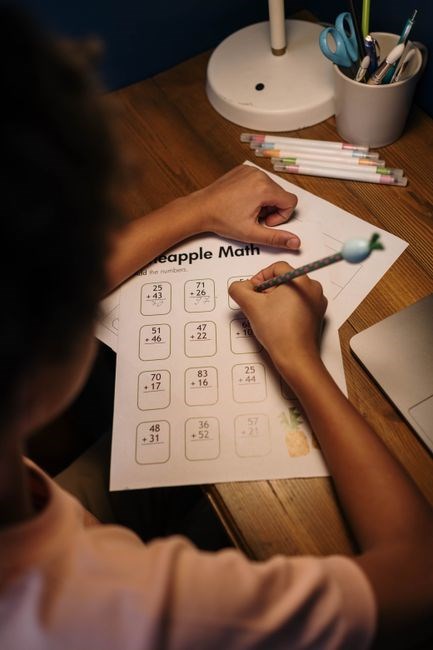
Year 6 maths worksheets PDF let parents print tasks for at‑home practice. Free PDFs from education sites offer step‑by‑step solutions. Parents can review answers‚ discuss concepts‚ and use printable templates to reinforce learning. Interactive PDFs add fun. Enjoy!Learn

Printable PDF Templates

Year 6 maths worksheets PDF are available as free‚ downloadable templates that parents and teachers can print on demand. These templates cover a wide range of topics—decimals‚ fractions‚ ratios‚ coordinate geometry‚ and basic algebra—aligned with national curriculum standards. Each worksheet is designed with clear instructions‚ example solutions‚ and space for students to record answers. The layout is child‑friendly‚ using large fonts and ample white space to reduce visual clutter. Many resources include color‑coded sections for different difficulty levels‚ allowing educators to tailor tasks to individual learning needs. Parents can use the printable PDFs to create a structured homework routine‚ track progress‚ and provide instant feedback. Some sites offer customizable templates where users can input their own data sets‚ making the worksheets more relevant to real‑world contexts. Additionally‚ many printable PDFs come with answer keys in a separate file‚ enabling parents to check work without having to solve problems themselves. These templates are also ideal for homeschooling‚ after‑school clubs‚ or supplementary practice during school breaks. By downloading and printing these resources‚ families can ensure consistent practice‚ reinforce classroom learning‚ and foster independent problem‑solving skills. The PDFs are lightweight‚ ensuring quick download times even on slower internet connections. They are compatible with common PDF readers on Windows‚ macOS‚ iOS‚ and Android devices‚ making them accessible across platforms. Users can also print multiple copies for group activities or to share with classmates. The templates are regularly updated to reflect curriculum changes and new assessment standards‚ ensuring that the practice material remains current and relevant; Overall‚ printable PDF templates provide a flexible way to support Year 6 mathematics learning at home. Because the PDFs are vector‑based‚ they scale without loss of quality‚ making them suitable for printing or classroom displays. Parents should encourage students to annotate their work directly on the printed sheets‚ fostering active engagement and critical thinking. Finally‚ many educational platforms provide a repository of these templates‚ searchable by topic‚ difficulty‚ and year group‚ ensuring that every learner finds the right level of challenge. Students can also use the PDFs to create their own practice quizzes‚ swapping questions to keep learning fresh.

Digital Interactive Alternatives

Year 6 maths worksheets PDF can be transformed into engaging digital activities through interactive platforms that support dynamic problem solving. Many education portals host web‑based tools where students drag and drop fractions‚ manipulate decimal sliders‚ or plot points on a virtual coordinate grid. These modules provide instant feedback‚ adaptive hints‚ and progress dashboards aligned with curriculum standards. Parents and teachers embed links into learning management systems‚ allowing students to log in‚ complete tasks‚ and submit answers automatically. The digital format enables multimedia integration—audio explanations‚ animated demonstrations‚ and gamified quizzes—to cater to diverse learning styles. Data collected can be exported as CSV files for detailed analysis‚ helping educators identify misconceptions and tailor instruction. Accessibility features such as screen‑reader compatibility‚ adjustable font sizes‚ and color‑blind modes ensure all learners can participate. Because the content is hosted online‚ updates roll out instantly‚ keeping material current with the latest curriculum changes. Interactive tools let teachers create custom worksheets by selecting question banks‚ setting difficulty levels‚ and specifying time limits. Families can use free trial versions or open‑source software that mirrors school resources‚ ensuring continuity. Analytics dashboards track completion rates‚ accuracy‚ and time spent‚ providing a comprehensive view of student engagement and mastery. These digital tools complement printable PDFs‚ offering a flexible‚ modern approach to Year 6 maths education. Educators can also track individual student progress through built‑in analytics‚ allowing targeted interventions and celebrating milestones. Parents receive weekly summaries‚ making it easier to support learning at home. The seamless integration of digital worksheets with classroom activities ensures a cohesive learning experience that adapts to each student’s pace!!